
Cow-Calf vs Stocker vs Feedlot: Choosing Cattle Software for Your Operation Type
The right cattle management software depends on whether you run cow-calf pairs, background stockers, or feed cattle. Here's what each operation type actually needs to track — and where general-purpose tools fall short.
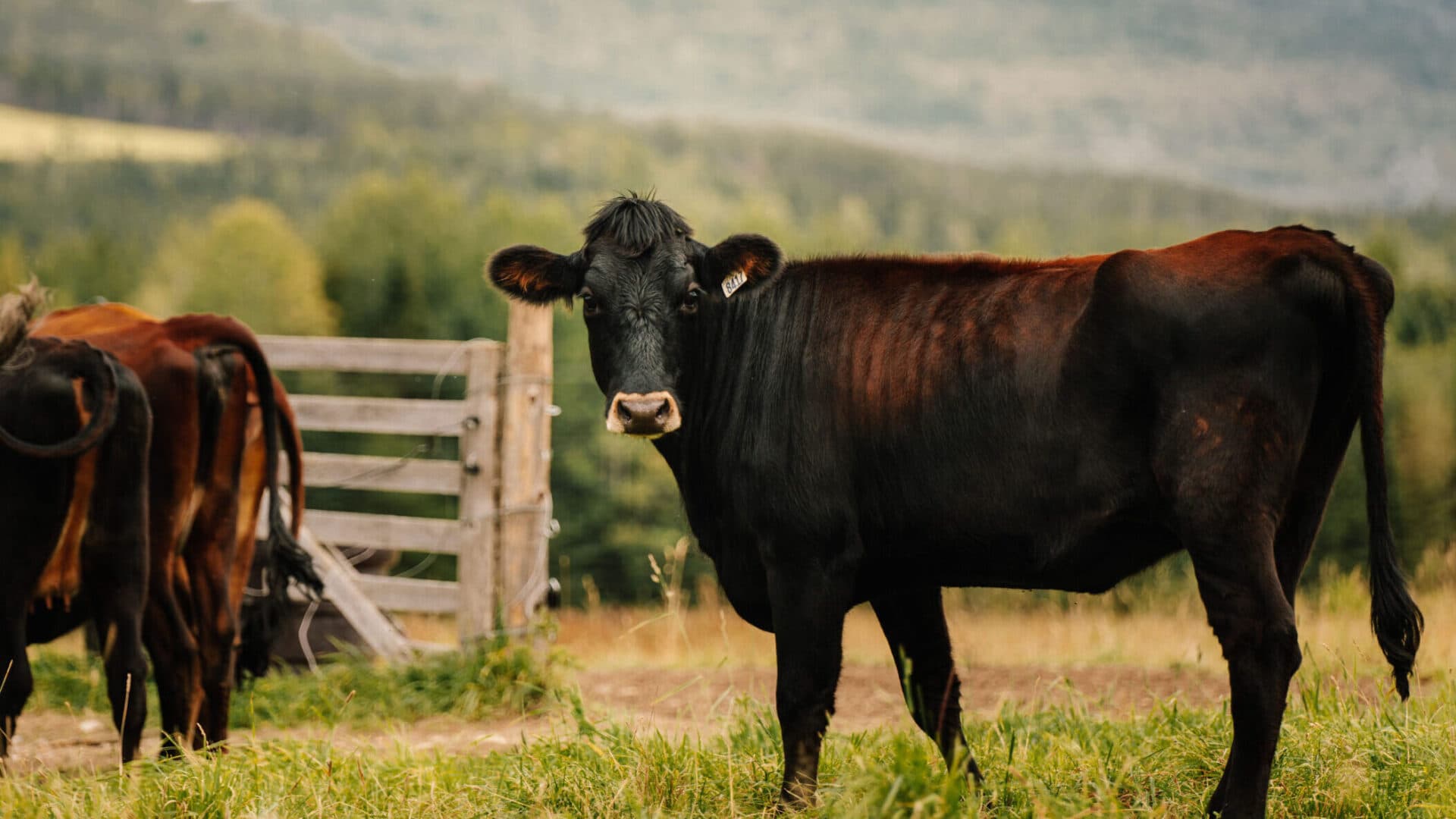
"Cattle management software" is one label covering three very different jobs. A cow-calf producer tracking pregnancy rates, a stocker operator turning grass into pounds, and a feedlot manager watching pen-level cost of gain need different records, different workflows, and different reports.
Here's what each operation type actually needs — so you don't pay for the wrong tool.
Cow-calf operations: individual records over time
The cow-calf business runs on multi-year individual animal data. One cow's productive life spans a decade, and the decisions that make money — which heifers to keep, which cows to cull, which bulls earn their keep — depend on records connected across years.
What the software must do:
- Breeding records: exposure dates, AI details, pregnancy check results, expected calving windows
- Calving records: date, ease score, calf vigor, tied to the dam's lifetime record
- Weaning data: weights tied back to dam and sire, so pounds weaned per cow exposed is a report, not a weekend of spreadsheet work
- Health history: every treatment on every animal, with withdrawal tracking
- Cull decision support: open rates, calving intervals, and weaning performance by cow
Where general tools fall short: anything that treats each year as a fresh start. The value is in the connected history.
Stocker and backgrounding: turning cost into gain, fast
Stockers run on speed and margin. Cattle arrive in groups, get processed once, graze or eat for 90–180 days, and leave. The records that matter are group-level and financial.
What the software must do:
- Intake processing: record a load once — head count, weights, purchase cost, processing protocol
- Group treatments and pulls: fast capture for the ones that get sick, without breaking group records
- Gain tracking: in-weights to out-weights, average daily gain by group
- Break-even math: purchase price, feed and grass cost, health cost, and projected sale weight in one view
Where general tools fall short: individual-animal-first systems make group work slow, and tools without cost tracking leave the break-even in a separate spreadsheet.
Feedlots: pen-level truth
Feedlots are margin businesses where the unit of management is the pen. Thousands of head, daily feed deliveries, constant pulls and moves — the software has to keep up with the pace of work and produce the number everything hinges on: cost of gain.
What the software must do:
- Pen and lot management: moves, counts, and reconciliation that always match reality
- Feed tracking: deliveries and rations allocated to pens, feeding into daily cost
- Health at scale: pulls, treatments, hospital pens, and withdrawal tracking across high volumes
- Cost of gain and close-outs: pen-level cost of production, death loss, and performance at close-out
- Custom feeding billing: accurate statements for retained-ownership customers
Where general tools fall short: cow-calf-oriented software often has no real concept of pens, rations, or close-outs. The gap shows up in the first week.
Mixed operations: the case for one system
Plenty of operations are two of these at once — cow-calf herds that background their own calves, or ranches that retain ownership through the yard. Running two systems means re-entering data at every transition, which is exactly where records break.
CattleOS was built to cover the full path: individual animal histories for the cow herd, group and pen-level workflows for growing and finishing cattle, and cost tracking at whatever level you manage — with voice-first capture and offline recording so the records happen in the field, not at a desk after dark.
Choosing in one sentence each
- Cow-calf: choose software with connected multi-year individual records and breeding/weaning reports.
- Stocker: choose software with fast group workflows and built-in break-even and gain math.
- Feedlot: choose software with pen-level feed, health, and cost-of-gain tracking — and never accept "we can export that to Excel" as an answer.
- Mixed: choose one system that does both individual and group records, or plan on re-entering data forever.
Frequently asked questions
What software do cow-calf operations need?
Cow-calf operations need individual animal records: breeding and pregnancy data, calving records with ease scores, weaning weights tied to the dam, health histories, and multi-year production reports for culling decisions. Pounds weaned per cow exposed is the key metric the software should surface.
What should feedlot software track?
Feedlots work at the pen and lot level: feed deliveries and rations, group treatments and pulls, pen moves, head counts, death loss, and daily costs. The essential output is pen-level cost of gain and break-even projections, plus billing for custom-fed cattle.
Can one software work for both cow-calf and feedlot operations?
Yes, if it supports both individual and group-level records. This matters for operations that retain ownership through the feedyard, background their own calves, or run mixed enterprises. CattleOS is built to handle individual animal histories and pen-level cost tracking in the same system.

Hashim Farooq
Author
Related posts
September 9, 2026
How to Choose Cattle Management Software: 7 Features That Actually Matter
EID tag support, offline capability, health and breeding logs, cost tracking — a practical checklist for evaluating cattle management software, with the questions to ask before you commit to any platform.
September 9, 2026
Best Cattle Management Software in 2026: An Honest Comparison
Comparing CattleMax, Herdwatch, AgriWebb, Breedr, Cattlytics, and CattleOS across individual animal tracking, offline capability, health and breeding records, and cost tracking — so you can pick the right fit for your herd size and operation type.