
How to Choose Cattle Management Software: 7 Features That Actually Matter
EID tag support, offline capability, health and breeding logs, cost tracking — a practical checklist for evaluating cattle management software, with the questions to ask before you commit to any platform.
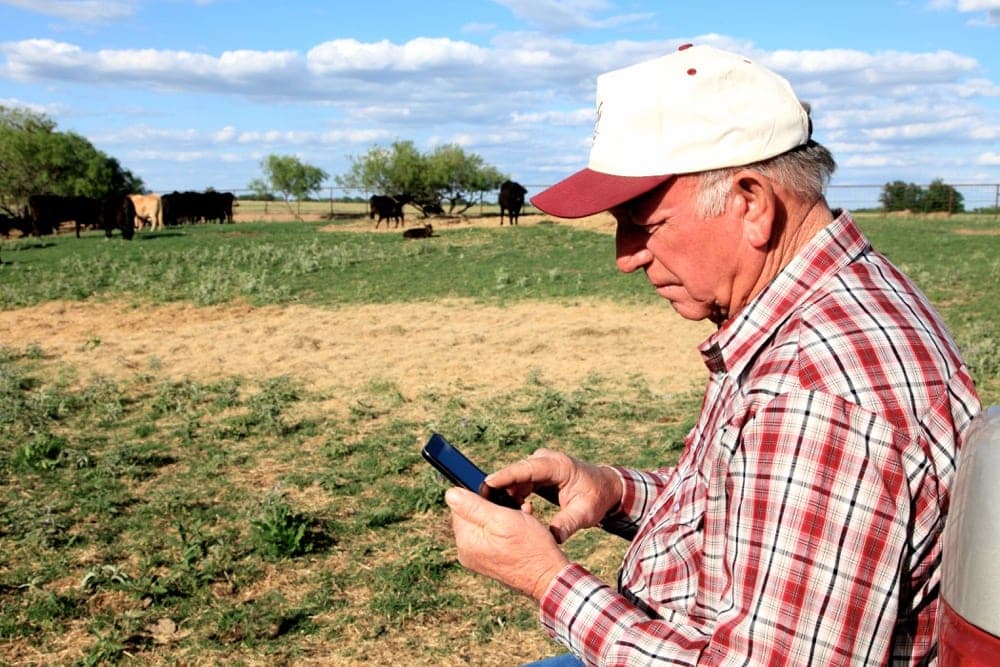
Most cattle management software comparisons list dozens of features. In practice, seven determine whether the software works on a real operation. Here's what to check, and the questions that separate marketing claims from field reality.
1. Capture speed at the point of work
The single best predictor of success: how long does it take to record a treatment while standing at the chute?
If the answer involves navigating menus and typing into form fields with gloves on, the records will be created "later" — which means incompletely, or not at all. Look for voice capture, quick-action workflows, or EID scan-to-record flows. CattleOS's Cooper AI takes a spoken sentence — "pulled two from pen 8, one lame, one bloat" — and creates structured records with the pen, count, reason, and date filled in.
Ask the vendor: "Show me recording a treatment with one hand, in under 15 seconds."
2. Offline capability
Chutes, pastures, and feed alleys are dead zones. Software that needs connectivity to save a record will lose records.
Ask: "If I record 40 treatments in a pasture with zero service, what happens? What if the app closes before I'm back in coverage?"
True offline-first apps store everything locally and sync automatically. "Works on mobile" is not the same claim.
3. Individual AND group tracking
- Individual tracking: EID/RFID tags, visual tags, lineage, calving history, individual weights and treatments. Essential for cow-calf and seedstock.
- Group tracking: pen- or lot-level treatments, moves, head counts, and feed records. Essential for feedlots, backgrounders, and stockers.
Many tools do one well. If you background your own calves or retain ownership, you need both in one system — otherwise you're exporting spreadsheets between platforms at the worst possible time.
4. Health and breeding logs with withdrawal tracking
Treatment records need to capture product, dose, route, animal or group, and the person who did the work — and calculate the withdrawal date automatically. Shipping an animal before withdrawal clears is an expensive mistake that software should make impossible.
For breeding: AI dates, pregnancy checks, expected calving windows, calving ease scores, and weaning weights should connect to the dam's lifetime record so culling decisions use real data.
5. Inventory and movement history
Every load in, load out, death, and pen move should be one record — leaving a head count you can trust without a physical count, and a movement history that satisfies traceability requirements. If you've ever "found" or "lost" cattle at reconciliation time, this is the feature that fixes it.
6. Cost tracking that reaches the pen level
Basic tools track expenses. Better tools connect feed, medicine, yardage, and weights to cost of gain per pen or per lot. That's the difference between knowing what you spent and knowing which cattle made money.
Ask: "Show me the cost of gain for one pen, and what data I have to enter to get it."
7. Getting your data out
Your records are worth more than the software. Check that you can export everything — animal histories, treatments, financials — in a usable format, any time, without asking permission. CattleOS is Ag Data Transparent certified: your data stays yours, exportable at any time, never sold.
The evaluation shortcut
Run one week of real work through any trial: every treatment, move, and load. If your crew is still using it voluntarily on day five, you've found your software. If records stopped on day two, no feature list matters.
Frequently asked questions
What features should cattle management software have?
The core feature set is: individual and group animal tracking (including EID tag support), offline recording for field use, health and treatment logs with withdrawal tracking, breeding and calving records, inventory and movement tracking, and cost or financial reporting. The most overlooked factor is capture speed — how fast a record can be made at the chute.
What is EID tracking in cattle software?
EID (Electronic Identification) uses RFID ear tags that can be scanned with a wand or panel reader. Good software links each scan to the animal's full record — treatments, weights, movements, lineage — so chute work updates records automatically instead of requiring manual data entry.
Why does offline capability matter for ranch software?
Most cattle work happens where cell service doesn't — chutes, barns, remote pastures, and pens. If software requires a connection to save records, data gets lost or written on paper to enter later, which defeats the purpose. Offline-first apps record everything locally and sync automatically when service returns.

Hashim Farooq
Author
Related posts
September 9, 2026
Cow-Calf vs Stocker vs Feedlot: Choosing Cattle Software for Your Operation Type
The right cattle management software depends on whether you run cow-calf pairs, background stockers, or feed cattle. Here's what each operation type actually needs to track — and where general-purpose tools fall short.
September 9, 2026
Best Cattle Management Software in 2026: An Honest Comparison
Comparing CattleMax, Herdwatch, AgriWebb, Breedr, Cattlytics, and CattleOS across individual animal tracking, offline capability, health and breeding records, and cost tracking — so you can pick the right fit for your herd size and operation type.