
EID Tags and Traceability: What the USDA Rules Mean for Your Cattle Records
USDA's animal disease traceability rule requires electronic ID for certain cattle moving interstate. Here's who's affected, what EID actually changes day-to-day, and how to make the tags pay for themselves.
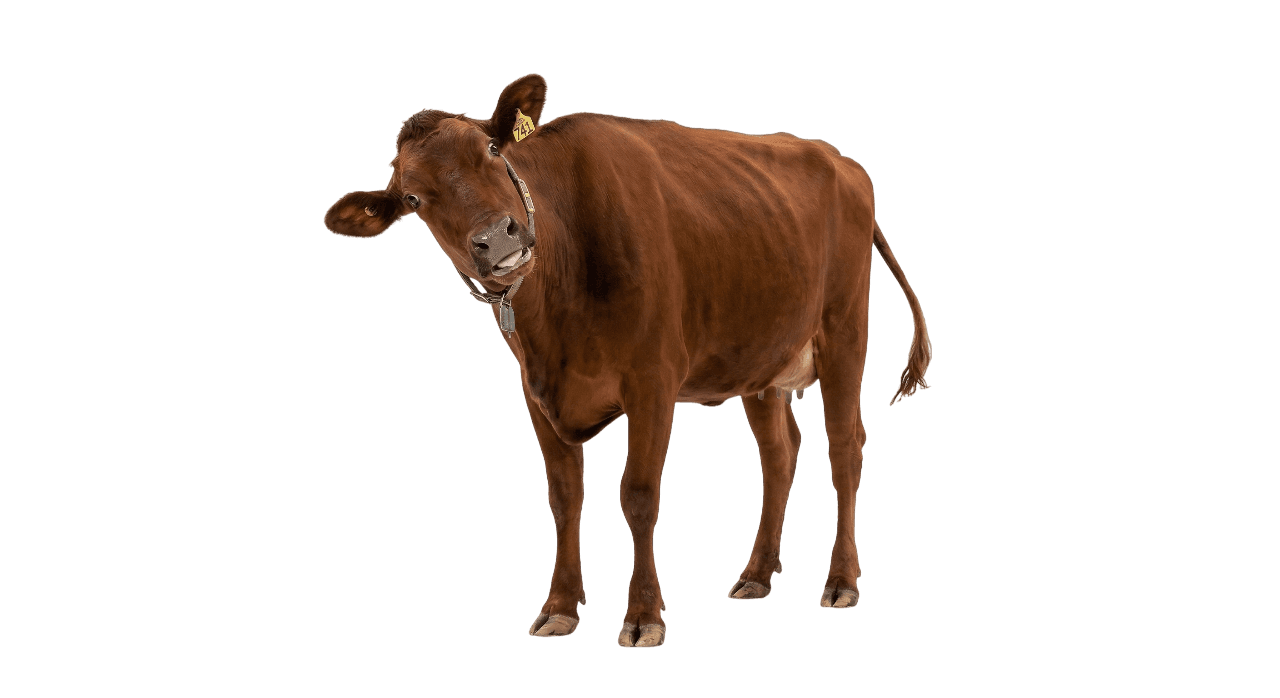
Electronic identification has moved from voluntary to required for a meaningful slice of the U.S. herd. Whether you see the tags as a compliance cost or a management upgrade depends almost entirely on what your records system does with them.
What the rule actually requires
USDA's animal disease traceability (ADT) framework requires official identification that is both visually and electronically readable for certain cattle moving interstate — primarily sexually intact cattle 18 months and older, dairy cattle, and exhibition cattle. The goal is simple: when a disease trace happens, animal movements need to be reconstructable in hours, not weeks.
Practical notes that catch people out:
- Feeder cattle in normal commerce are largely outside the federal requirement — but market access is a different question. Buyers, states, and branded programs increasingly want EID regardless.
- The tag is official ID — it ties to your premises. Records of tag application and movement matter, not just the tag itself.
- State rules vary and can exceed the federal floor. Your state veterinarian's office is the authority for what applies to your movements.
Treat this section as orientation, not legal advice — confirm current requirements for your specific movements before shipping.
What EID changes at the chute
A 15-digit number nobody can read by eye sounds like a step backward — until there's a reader involved. Then the workflow flips:
Without EID: someone reads a visual tag, calls it out, someone else writes it down, and later somebody types it in. Every handoff is an error opportunity, and studies of hand-transcribed tag data routinely find meaningful error rates.
With EID + software: the wand beeps, the animal's record opens, and the treatment or weight recorded at that moment attaches to the right animal automatically. Chute throughput goes up, and transcription errors go to zero.
Making the tags pay: the records layer
The tag is a key. The value is in what the key opens. To get management value from a compliance requirement, your records system needs to:
- Link the EID to everything else — visual tag, lineage, treatments, weights, movements — so one scan surfaces the whole history
- Work offline at the chute, because that's where scanning happens and there's rarely signal
- Record movements as they happen — in, out, pen to pen — so a traceability request is an export, not a reconstruction
- Track withdrawal windows against scanned treatments, so nothing inside a window ships
CattleOS pairs with Bluetooth wand readers and does all four: scan an animal and its record is on the screen, offline, with every treatment and move already attached. When a buyer, vet, or state official needs movement history, it's minutes, not a weekend of piecing together sale barn receipts.
The direction of travel
Traceability requirements have moved one direction — broader — for two decades, in the U.S. and everywhere else beef trades. Operations that build the records habit now, while requirements are still narrow, will treat each expansion as a non-event. Operations that wait will eventually rebuild their record keeping under deadline pressure.
The tags are coming either way. The choice is whether they're just a cost — or the backbone of records that make the whole operation easier to run.
Frequently asked questions
Which cattle need EID tags under the USDA rule?
USDA's animal disease traceability (ADT) rule requires official electronic identification for sexually intact cattle 18 months or older, dairy cattle, and rodeo/exhibition cattle moving interstate. Feeder cattle moving within normal commerce channels are largely outside the requirement, but state rules and program requirements can go further — check with your state vet and your buyers.
What is the difference between EID and visual tags?
A visual tag is read by eye; an EID (RFID) tag carries a unique 15-digit number read electronically by a wand or panel reader. EID removes transcription errors and makes chute work faster — a scan pulls up the animal's full record instantly instead of someone reading and writing tag numbers by hand.
Do EID tags require special software?
The tags work without software, but they only pay for themselves with it. Software that links each scanned tag to the animal's treatment, movement, and weight history turns a compliance tag into a management tool. Look for systems that pair with Bluetooth wand readers and work offline at the chute.
CattleOS Team
Author
Related posts
September 9, 2026
Cattle Health and Breeding Records: Paper vs Spreadsheets vs Software
Treatment logs, vaccination records, pregnancy checks, and calving data — comparing the real costs of keeping cattle health and breeding records on paper, in spreadsheets, and in dedicated software.
September 9, 2026
Why Offline Capability Is Non-Negotiable in Cattle Management Software
Chutes, barns, and remote pastures don't have cell service. Here's why offline-first design is the make-or-break feature in cattle management software, how sync actually works, and what to test before you buy.
May 27, 2026
Pounds Weaned Per Cow Exposed: The Metric That Ranks Your Cow Herd Honestly
Average weaning weight flatters your herd; pounds weaned per cow exposed tells the truth. How to calculate it, what the number reveals about fertility and death loss, and how to raise it.