
Calving Season Record Keeping: What to Track and Why It Pays Next Year
Calving date, ease score, calf vigor, dam ID — the records you keep during the busiest six weeks of the year drive culling, replacement, and bull decisions for the next five. Here's a practical system.
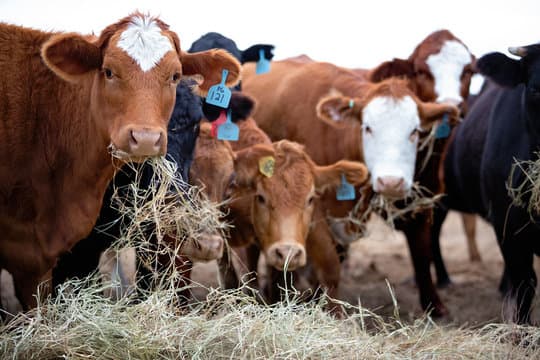
Calving season is six weeks of 2 a.m. checks, pulled calves, and pasture rounds in weather that doesn't care about your schedule. Record keeping feels like the thing to skip. It's also the six weeks that generate the most valuable data your cow herd produces all year.
The six records that matter at every birth
1. Calf ID tied to dam ID. Everything else depends on this link. A calf record that doesn't connect to its mother is a fact; connected, it's a verdict on that cow.
2. Calving date. Drives everything downstream: age at weaning, adjusted weaning weights, and — compared against turnout dates — which cows bred early and which slipped to the back of the season. Cows that calve late two years running are telling you something.
3. Calving ease score (1–5). Record it on every birth, not just the hard ones. One hard pull is bad luck. A sire whose calves average 2.3 while the herd averages 1.2 is a culling decision you can only make if the easy births got recorded too.
4. Calf vigor. Was the calf up and nursing in an hour, or did it need help? Vigor predicts early death loss and correlates with the dam's milk and mothering. A simple 1–3 scale is enough.
5. Sex. Thirty seconds now, or sorting confusion in the fall.
6. Interventions. Pulled, tubed, treated, grafted — with product and date if medicated. This is a treatment record with withdrawal implications, not just a note.
Worth adding if you can: birth weight (even estimated), teat/udder score on the dam while she's close, and pasture or calving group.
Why this pays: three decisions
Culling. By fall, connected records answer the real question — not "is this cow open?" but "what has this cow actually produced?" Calving date drift, assistance history, and calf performance across years separate the cows that look fine from the cows that earn their keep.
Replacement heifers. The best heifer prospects come from cows that calve early, unassisted, every year, and wean heavy calves. Without records, heifer selection is a beauty contest in October.
Bulls. Calving ease by sire group, calf vigor by sire group, and birth-to-weaning gain tell you whether that bull was worth what you paid — with data instead of impressions.
The capture problem (and the fix)
The reason calving records fail isn't ignorance — it's that the moment of capture is a muddy pasture at daybreak with a wet calf and a protective cow. The calving book gets soaked, or the entries pile up "to write down tonight."
This is exactly the problem field-first software solves:
- Record at the calf, not at the kitchen table. A phone that works offline means the record happens in the pasture, tied to the dam by tag number, timestamped automatically.
- Voice beats gloves. With CattleOS's Cooper AI, "heifer calf out of 42, easy birth, up and nursing" becomes a structured record — dam, sex, ease score, vigor, date — without taking gloves off.
- The record is instantly shared. Whoever does the next check sees what happened on the last one. No more re-checking a cow that calved at 4 a.m.
Start this season, not next
You don't need last year's data to begin. Six data points per birth, captured consistently for one season, will change your fall culling decisions the same year — and by year three you'll have the lifetime records that separate the top third of your cow herd from the bottom third with numbers instead of hunches.
Frequently asked questions
What records should I keep at calving?
Six data points per birth: calf ID linked to dam ID, calving date, calving ease score (1–5), calf vigor, sex, and any intervention or treatment. Optional but valuable: birth weight and udder score on the dam. Captured consistently, these drive culling, replacement heifer selection, and bull evaluation.
What is a calving ease score?
A 1-to-5 scale describing how much assistance a birth required: 1 = no assistance, 2 = easy pull, 3 = hard pull, 4 = caesarean, 5 = abnormal presentation. Recording it on every birth — not just the wrecks — lets you spot patterns by sire and by cow that averages hide.
How do ranchers keep records during calving season?
The traditional method is a calving book in a chest pocket, transcribed later — when there's time, which there isn't. Mobile apps with offline capability let you record the birth while you're standing next to the calf, tying it to the dam's record instantly. Voice capture makes it faster than writing.
CattleOS Team
Author
Related posts
August 12, 2026
Where Did Those Cattle Go? Fixing Inventory Reconciliation for Good
Every operation has done the count that doesn't match the books. Here's why cattle inventory drifts, what phantom head actually cost, and the movement-record habit that makes counts match every time.
July 22, 2026
How to Read a Feedlot Close-Out (and Catch Problems Before the Next One)
Cost of gain, feed conversion, death loss, ADG — a feedlot close-out compresses five months into one page. Here's how to read one line by line, and which numbers should have been caught in week six.
June 10, 2026
The Ranch Records Lenders, Buyers, and Vets Actually Want to See
Operating loans, premium programs, VCPR requirements — the outside world increasingly runs on your records. What each audience needs, and how to produce it in minutes instead of weekends.