
The Ranch Records Lenders, Buyers, and Vets Actually Want to See
Operating loans, premium programs, VCPR requirements — the outside world increasingly runs on your records. What each audience needs, and how to produce it in minutes instead of weekends.
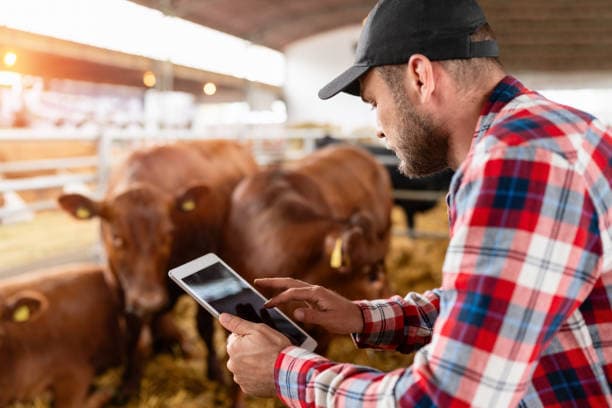
Ranch records used to be private business. Increasingly, they're your interface with everyone the operation depends on: the lender renewing your operating note, the buyer paying program premiums, the vet writing your protocols. Each audience wants something specific — and the operations that can produce it in minutes hold a quiet advantage over the ones that need a weekend and a shoebox.
The lender
An ag lender financing cattle is lending against animals that move, die, gain, and sell. What they're really underwriting is whether your numbers can be trusted:
- Inventory you can verify — head counts by class and location that reconcile with purchases, sales, and death loss. A count that comes from a system beats a count that comes from memory, and lenders know the difference.
- Cost basis — what you have into the cattle: purchase, feed, health. This is what makes a borrowing base defensible.
- Track record — death loss percentages, historical gains, sale performance. Three years of clean history changes renewal conversations.
The subtext: a borrower who knows their numbers cold is a lower-risk borrower. Records quality gets priced, even when nobody says so out loud.
The program buyer
Premium programs — age-and-source, NHTC, natural, breed programs — pay real money for cattle with provable histories. The operative word is provable:
- Treatment records with product, date, dose, and animal or group identity
- Withdrawal compliance demonstrable per animal, not per promise
- Source and age verification back to birth records or first-owner documentation
- Practice affidavits backed by records that won't contradict them in an audit
Programs audit, and an audit failure doesn't just cost this load's premium — it can cost the relationship. The difference between operations that capture premiums consistently and those that don't is rarely the cattle; it's the paperwork surviving scrutiny.
The veterinarian
Your vet's protocols are only as good as the feedback loop your records provide:
- Complete treatment histories — including the treatments that didn't work — let your vet adjust protocols with evidence
- Outcome data (retreat rates, case fatality) turns protocol reviews from anecdote-trading into medicine
- A documented VCPR protects prescription access, which regulation keeps tightening
The operations getting the most from their vets aren't the ones calling most often — they're the ones whose records make each call count.
One capture, every audience
Here's what these audiences have in common: they all draw on the same underlying events. A treatment given in a pen on a Tuesday is simultaneously a withdrawal record (buyer), a health cost (lender), and a protocol data point (vet). The event happens once; only the report differs.
That's the argument for capturing work once, at the point of work, in one system — the design principle CattleOS is built on. Treatments, moves, counts, and weights recorded in the field become lender-ready inventory reports, audit-ready treatment histories, and vet-ready outcome summaries without anyone re-keying anything.
The Sunday-night test
When someone asks for documentation — loan renewal, program enrollment, buyer inquiry — how long until it's in their inbox? If the honest answer is "give me the weekend," every one of these relationships is running below its potential. Operations with field-first records answer before the phone call ends. That speed reads as competence, because it is.
Frequently asked questions
What records do ag lenders want for a cattle loan?
Lenders financing cattle want a verifiable inventory (head counts by class and location), cost records showing what you have into the cattle, historical performance (death loss, gain, sale weights), and evidence your numbers come from a system rather than estimates. Clean records routinely translate into smoother renewals and better borrowing positions.
What records do premium beef programs require?
Program requirements vary, but the common core is: individual or group treatment records with products and dates, withdrawal compliance, source and age verification, and sometimes affidavits on practices like implant use or antibiotic-free status. Programs audit — records that can't survive an audit forfeit the premium.
What is a VCPR and what records does it involve?
A veterinarian-client-patient relationship is the legal basis for your vet prescribing treatment protocols and drugs. It works best — and holds up best — when your treatment records are complete: what was given, to which animals, at what dose, by whom, with outcomes your vet can review when adjusting protocols.
CattleOS Team
Author
Related posts
August 12, 2026
Where Did Those Cattle Go? Fixing Inventory Reconciliation for Good
Every operation has done the count that doesn't match the books. Here's why cattle inventory drifts, what phantom head actually cost, and the movement-record habit that makes counts match every time.
July 22, 2026
How to Read a Feedlot Close-Out (and Catch Problems Before the Next One)
Cost of gain, feed conversion, death loss, ADG — a feedlot close-out compresses five months into one page. Here's how to read one line by line, and which numbers should have been caught in week six.
April 22, 2026
Calving Season Record Keeping: What to Track and Why It Pays Next Year
Calving date, ease score, calf vigor, dam ID — the records you keep during the busiest six weeks of the year drive culling, replacement, and bull decisions for the next five. Here's a practical system.