
Where Did Those Cattle Go? Fixing Inventory Reconciliation for Good
Every operation has done the count that doesn't match the books. Here's why cattle inventory drifts, what phantom head actually cost, and the movement-record habit that makes counts match every time.
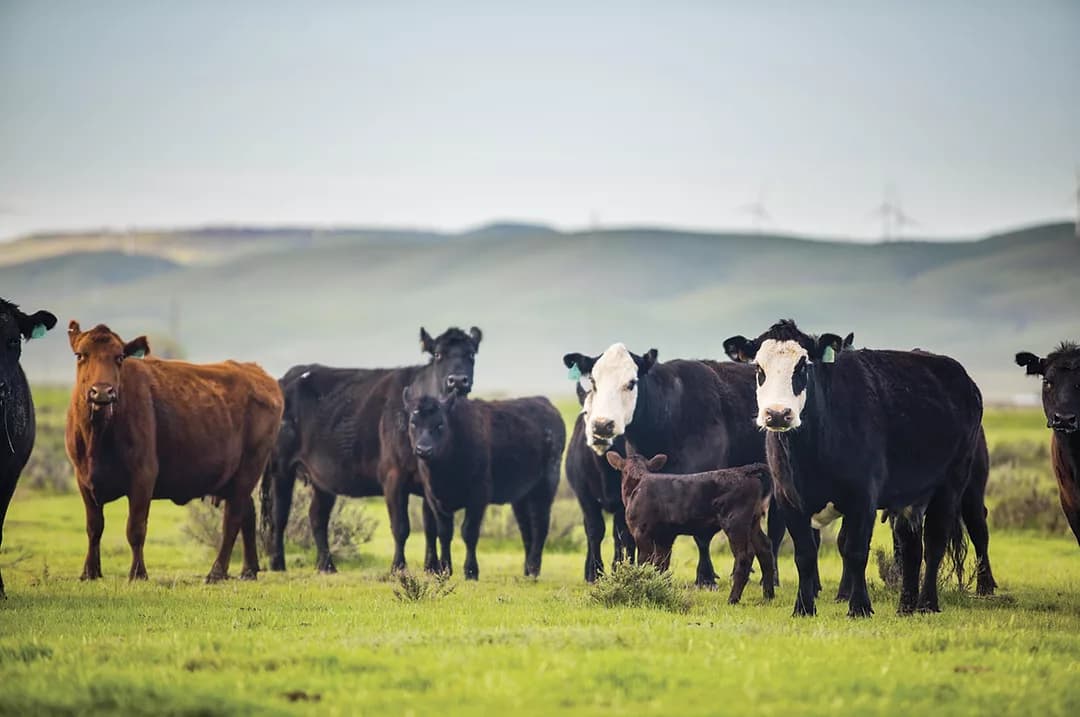
It's the same scene on every operation: preg check day, or the lender's inspection, or a full-yard count on a cold morning — and the number in the corral doesn't match the number in the books. Not by a lot. Eleven head, maybe. And nobody can say where the difference went.
Inventory drift feels like a counting problem. It's actually a recording problem, and it's fixable.
How the books drift
Cattle inventory is a running balance: beginning count, plus ins, minus outs. The balance is only as good as the events feeding it, and specific events leak:
- Pen moves that never got recorded. The move happened at 6:40 a.m. between other jobs. Everyone knew — that day. The books never did.
- Death loss found late. The carcass in the far pasture in March belongs to a January record that doesn't exist.
- Shipping-day sorts. Three head cut back for a bad eye, two subbed in from the next pen, and the load ships. The paperwork says 60; the truth was 60 different-than-planned.
- Doubles and misses at counting. Cattle move; counters differ by two and split the difference.
Each error is trivial. But a balance carries errors forward forever — they compound until the books describe a herd that doesn't exist.
What phantom head cost
With the lender: cattle inventory is collateral. Books that overstate head count are a problem discovered at the worst possible moment — inspection. Books lenders can trust, verified against clean movement records, make every renewal easier.
In the cost math: feed cost per head, cost of gain, and death-loss percentages all divide by head count. A pen carried at 96 that actually holds 91 flatters every per-head number — and management decisions inherit the flattery.
In death loss truth: unrecorded deaths don't just miss the books; they hide the pattern. If death loss is quietly running double what the records say, the health program is being judged on fiction.
The fix: record movements, not counts
Here's the mental shift. Operations that fight drift with more counting are treating the symptom. Counts verify; they don't maintain. The fix is upstream: every event that changes a count becomes a record at the moment it happens.
- Load arrives → intake record with head count, source, destination pen
- Pen move → move record, from and to, head count, timestamped
- Death → death record with pen, date, suspected cause
- Shipping sort → the cutbacks and substitutions recorded as they're sorted, not reconstructed from the pencil sheet
Do that, and the book count for any pen on any day is just arithmetic on the event log — and physical counts at handling events become quick confirmations instead of investigations.
Why this needs field-first tools
The reason movements go unrecorded isn't discipline — it's friction. The move happens in a moving pen at dawn; the record system is a desktop in the office. The gap between the event and the entry point is where records die.
Close the gap and the problem disappears. With CattleOS, the pen rider says "moved 12 head from pen 8 to pen 3" and the record exists — counts on both pens updated, timestamped, attributed, offline if there's no signal. Shipping sorts, deaths, and arrivals work the same way. The books stop drifting because the events stopped leaking.
The payoff
Six months of movement-level records buys something rare: a book count you'd bet on. Lender inspections become routine. Per-head math becomes real. Death loss trends become visible. And the cold-morning full-yard count becomes something you do to confirm what you already know — which is the only good reason to count cattle in the first place.
Frequently asked questions
Why don't my cattle counts match my records?
Count drift comes from unrecorded events: pen moves that happened but weren't written down, death loss found late or never logged, sort changes on shipping day, and counting errors compounding over months. Each gap is small; six months of them produces books that are off by real money.
How often should cattle inventory be reconciled?
Physical counts are expensive and stressful, so the better goal is a records system accurate enough that any-day book counts are trustworthy, verified by counts at natural events — processing, moves, shipping — when cattle are already being handled. Operations with movement-level records typically reconcile at every handling event at zero extra cost.
What does inaccurate cattle inventory cost?
Phantom head inflate borrowing bases (a problem when the lender counts), distort cost-per-head math, hide death loss trends, and turn shipping days into sort chaos. Missing head in the books mean cattle you own but can't manage. Either direction, decisions are being made on numbers that aren't real.
CattleOS Team
Author
Related posts
July 22, 2026
How to Read a Feedlot Close-Out (and Catch Problems Before the Next One)
Cost of gain, feed conversion, death loss, ADG — a feedlot close-out compresses five months into one page. Here's how to read one line by line, and which numbers should have been caught in week six.

June 10, 2026
The Ranch Records Lenders, Buyers, and Vets Actually Want to See
Operating loans, premium programs, VCPR requirements — the outside world increasingly runs on your records. What each audience needs, and how to produce it in minutes instead of weekends.
April 22, 2026
Calving Season Record Keeping: What to Track and Why It Pays Next Year
Calving date, ease score, calf vigor, dam ID — the records you keep during the busiest six weeks of the year drive culling, replacement, and bull decisions for the next five. Here's a practical system.