
How to Read a Feedlot Close-Out (and Catch Problems Before the Next One)
Cost of gain, feed conversion, death loss, ADG — a feedlot close-out compresses five months into one page. Here's how to read one line by line, and which numbers should have been caught in week six.
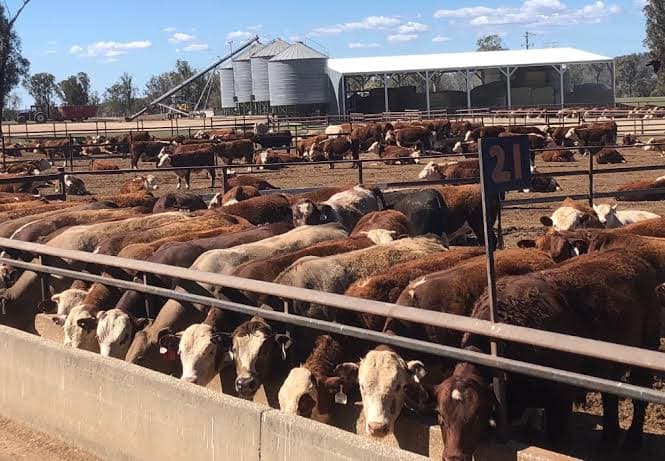
A close-out is where feeding-period truth arrives, all at once, months after anyone could act on it. Learning to read one properly does two things: it tells you what happened to these cattle, and it builds the checklist of what to watch on the next pen while watching still matters.
Here's the line-by-line.
The weight lines
Pay weight in / out weight. Everything keys off these. Check the shrink assumptions — a 2% versus 4% pencil shrink on in-weight quietly moves every downstream number.
Days on feed. Compare against projection. Cattle that took 30 extra days to reach grade consumed 30 extra days of feed and yardage — often the whole margin.
Average daily gain (ADG). Total gain ÷ days on feed. Good finishing cattle commonly run 3.0–4.0 lb/day. Read it with days on feed: a flashy ADG over fewer days can simply mean cattle sold green; a modest ADG over long days means something dragged — health, weather, ration, or cattle that never fit the program.
The efficiency lines
Feed conversion (F:G). Dry matter consumed per pound gained — the single best measure of how the feeding actually went. If conversion is a point worse than comparable pens in your own history, something specific happened: a health run, ration transition trouble, mud, or bunk management. The close-out won't tell you which. Your in-season records will — if they exist.
Cost of gain. Total feeding costs ÷ pounds gained, the number that decides whether feeding added value. Split it mentally into feed COG and everything else (health, yardage, death loss, interest). Feed COG tracks markets; the rest tracks management.
The painful lines
Death loss. Industry death loss often runs 1–2%, but the average matters less than the pattern. Two percent spread randomly is risk; two percent clustered in the first 45 days is a receiving program problem — procurement, commingling, processing timing, or arrival health protocol.
Health costs and retreats. Total medicine cost per head, and if your records allow it, retreat rate — the share of treated cattle that needed a second pull. High retreats point at protocol or case-timing problems your vet should see.
Reading the whole page
The skill is reading lines together:
- Good ADG + bad conversion → cattle ate well but expensively; look at ration cost and waste
- Bad ADG + good conversion → intake was the limit; bunk management, weather, or health
- Good performance + red bottom line → the buy or the sell was wrong, not the feeding
- One pen wrecked, siblings fine → trace that pen's specific history: arrival date, source, first-week treatments
The real lesson of every close-out
Almost every ugly close-out contains a moment — usually in the first 60 days — when the problem was visible in the daily data. The pulls ticked up in week three. Conversion drifted in month two. Bunks were slick for ten straight mornings.
The close-out is only a surprise when nobody could see those signals in-season. That's the case for pen-level records captured as work happens: CattleOS ties feed deliveries, pulls, treatments, moves, and counts to the pen daily, so cost of gain and health trends are visible while there's still time to change the outcome — and the close-out becomes confirmation, not news.
Read the close-out. Then go build the system that makes the next one boring.
Frequently asked questions
What is a feedlot close-out?
A close-out is the final accounting for a pen or lot of cattle after they ship: in-weights and out-weights, days on feed, average daily gain, feed conversion, health costs, death loss, total cost of gain, and profit or loss. It's the report card for the feeding period — for the cattle, and for the management.
What is a good feed conversion for feedlot cattle?
Finishing cattle commonly convert between roughly 5.5 and 7 pounds of dry matter per pound of gain, varying with cattle type, ration, weather, and days on feed. The more useful comparison is your own history: a pen converting a full point worse than similar cattle in the same yard is flagging a health, ration, or bunk management issue.
Why did my cattle lose money if ADG was good?
Gain is only one side. Strong ADG can hide expensive gain (poor conversion, high ration cost), a purchase price that never worked against the sale market, health wrecks concentrated in a few animals, or death loss erasing the margin on everything else. The close-out shows which — that's why reading all the lines together matters.
CattleOS Team
Author
Related posts
August 12, 2026
Where Did Those Cattle Go? Fixing Inventory Reconciliation for Good
Every operation has done the count that doesn't match the books. Here's why cattle inventory drifts, what phantom head actually cost, and the movement-record habit that makes counts match every time.

June 10, 2026
The Ranch Records Lenders, Buyers, and Vets Actually Want to See
Operating loans, premium programs, VCPR requirements — the outside world increasingly runs on your records. What each audience needs, and how to produce it in minutes instead of weekends.
April 22, 2026
Calving Season Record Keeping: What to Track and Why It Pays Next Year
Calving date, ease score, calf vigor, dam ID — the records you keep during the busiest six weeks of the year drive culling, replacement, and bull decisions for the next five. Here's a practical system.