
Canada Cattle Traceability Rules in 2026: What CFIA Dropped and What You Still Have to Do
CFIA paused new movement reporting for cattle in June 2026. Here is what was proposed, what changed, and the tagging and CLTS rules that still apply to every Canadian producer.
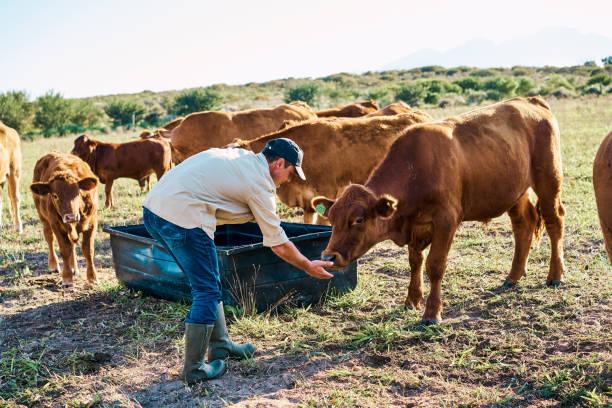
Short answer: On June 2, 2026, the Canadian Food Inspection Agency (CFIA) said the new movement reporting requirements for cattle and bison "will not move forward at this time." Changes for sheep, goats, cervids and pigs are going ahead. For cattle, the existing rule still stands. Every animal needs an approved RFID ear tag before it leaves its farm of origin, and the tag numbers are recorded in the Canadian Livestock Tracking System (CLTS).
There has been a lot of confusion this year about what changed and what didn't. Here's a plain summary of what was proposed, what CFIA decided, and what you still have to do.
What did the proposed traceability rules include?
The proposed amendments to the Health of Animals Regulations (Part XV) would have added several new requirements for cattle. Canadian Cattlemen summarized them:
- A premises identification number (PID) to buy approved tags.
- Reporting cattle movements and arrivals within seven days.
- Recording the truck licence plate and departure time for shipments.
- Group reporting for auction marts, assembly yards and community pastures.
- Movement reporting for fairs and exhibitions.
Many producers worried about the paperwork and possible penalties, especially for animals moving between pastures, neighbours and community grazing.
What did CFIA decide in June 2026?
CFIA issued a statement on June 2, 2026. The key points:
- New movement reporting for cattle and bison will not go ahead for now.
- Updated rules for goats, sheep and cervids are moving forward, along with pig traceability changes that the pork industry supports.
- PIDs will become an option for buying tags or reporting events.
- The reporting window for abattoirs and carcass disposal points will be shortened from 30 days to 7 days for "all regulated species." Producers should watch whether this applies to packing plants that handle cattle.
- CFIA has not given a new timeline. It said one will come after final consultations with stakeholders.
For cattle, CFIA will keep working through industry-led forums, and those talks "will inform future plans."
Why were the cattle rules dropped?
The rules were dropped because producers pushed back. The Canadian Cattle Association (CCA) paused its support in January after hearing producer concerns, and by late March it no longer supported the proposed amendments. CCA has called for a "practical, effective and risk-based approach that strengthens Canada's emergency response while recognizing the realities of cattle production" (CCA).
CCA still supports traceability itself. Its position is that traceability matters for disease preparedness, market access and confidence in Canadian beef. The disagreement was about how the rules would work, not about tracking cattle.
What do I still have to do today?
Here's what still applies to cattle in Canada right now:
| Requirement | Status in 2026 |
|---|---|
| Approved RFID ear tag on every animal before it leaves the farm of origin | Required (unchanged) |
| Tags must be CFIA-approved low-frequency RFID (HDX or FDX) | Required |
| Tag numbers recorded in CLTS | Required |
| Retagging and reporting lost tags | Required |
| Premises ID | Required provincially in Alberta (since 2010) and Saskatchewan (since 2017) |
| Federal 7-day movement reporting for cattle | Not in effect. Paused as of June 2026 |
The Canadian Cattle Identification Agency (CCIA) runs the CLTS database. You can report through the CLTS website, the CLTS mobile app, or on paper. Check with CCIA for your exact reporting duties as a buyer, seller or feedlot.
Could cattle movement reporting come back?
Yes. CFIA paused the cattle part of the package. It didn't rule it out. The current disease situation could also change things quickly. New World screwworm is spreading in the southern US, and in June CFIA put emergency restrictions on livestock from Texas. Outbreaks usually push governments toward stronger traceability.
The best way to prepare is to keep clean tag records now, so a future rule change is just a report you run instead of a scramble.
How can I make tag records easier?
Most traceability problems start at the chute. A tag gets read but never written down, a sale sheet goes missing, or an animal was retagged without anyone linking the old number to the new one. A few habits help:
- Read tags with a wand or panel reader instead of writing numbers by hand. See Allflex EID reader software.
- Record retags right away and link the old number to the new one.
- Keep move-in and move-out dates with each tag, even though federal rules don't require it right now. Buyers, packers and programs like verified beef often ask for it.
- Reconcile your inventory monthly so you catch missing animals early. See Fixing Inventory Reconciliation for Good.
The takeaway
The proposed federal rules for cattle are on hold, but the basic tagging rule hasn't changed, and traceability will come up again. Producers who already keep tag-level records will have the least work whenever new rules arrive. CattleOS reads EID tags, records moves and treatments by voice, and keeps a clean history for every animal. See how electronic ID cattle tracking works in CattleOS.
Hashim Farooq is the CTO and co-founder of CattleOS. This article summarizes public statements from CFIA, CCA and CCIA as of November 2026. It isn't legal advice. Confirm your obligations with CCIA or your provincial agriculture ministry.
Frequently asked questions
Did CFIA cancel the new cattle traceability rules?
On June 2, 2026, CFIA said new movement reporting requirements for cattle and bison will not move forward at this time. Changes for goats, sheep, cervids and pigs are proceeding. No new timeline for cattle has been set.
Do Canadian cattle still need RFID tags?
Yes. All cattle in Canada must be identified with a CFIA-approved low-frequency RFID ear tag (HDX or FDX) before leaving their farm of origin, and tag numbers are recorded in the Canadian Livestock Tracking System (CLTS).
Do I need a premises identification number for cattle?
Federally, a PID will be an option for buying tags or reporting events. Provincially, premises ID is already required in Alberta (since 2010) and Saskatchewan (since 2017).
What was in the proposed cattle traceability amendments?
The proposal included needing a PID to buy tags, reporting movements and arrivals within seven days, recording truck licence plates and departure times, and group reporting for auction marts, assembly yards, community pastures and fairs.
Why did the Canadian Cattle Association oppose the traceability changes?
CCA withdrew support in March 2026 after producer concerns about cost and workload. It still supports traceability but wants a practical, risk-based, industry-led approach that fits how cattle are actually raised.
Co-founder and Chief Technology Officer, CattleOS
Hashim Farooq is the co-founder and CTO of CattleOS, an AI record-keeping platform for cattle producers. He grew up in rural Manitoba in 4-H, worked at Cargill, and has interviewed more than 200 producers about how cattle operations really keep records.
More about HashimRelated posts
November 8, 2026
The September 2026 Cattle Executive Orders: What Ranchers Need to Know
Two executive orders signed September 4, 2026 target packer competition, small processors, country-of-origin labeling and wolves. Here is what each one does, the deadlines, and what it means for your operation.
November 8, 2026
New World Screwworm in Texas, New Mexico and Arizona: A Practical Guide for US Ranchers
USDA has confirmed 116 screwworm infestations in the Southwest. Here are the signs to watch for, what to do if you suspect a case, how to lower risk, and why treatment records matter.
November 8, 2026
US Cattle Market Update, November 2026: Why Futures Fell and What Tight Supplies Still Mean
December live cattle fell about $12 and January feeders more than $20 in a week. Cash calves held up and placements hit record lows. Here is what is driving prices and how to plan.