
US Cattle Market Update, November 2026: Why Futures Fell and What Tight Supplies Still Mean
December live cattle fell about $12 and January feeders more than $20 in a week. Cash calves held up and placements hit record lows. Here is what is driving prices and how to plan.
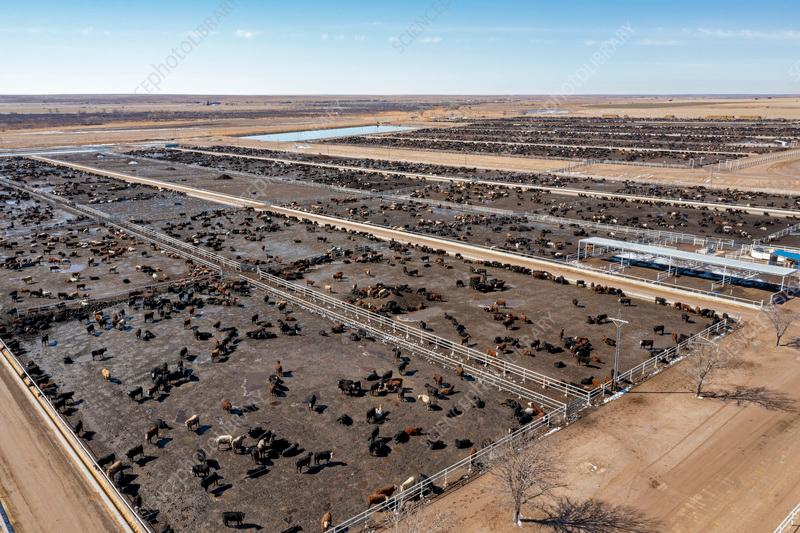
Short answer: US cattle futures fell hard in early November 2026. December live cattle dropped about $12 in one week to near $214/cwt, and January feeders fell more than $20 to around $318. Cash fed cattle traded $208 to $219 live and $325 to $345 dressed. Cash calves held up better than the board, and feedlot placements are at record lows, so supplies are still tight. Analysts say the short-term trend is lower until something changes in the fundamentals.
If you sell calves, background stockers or market fed cattle, a market that moves $20 in a week makes timing and risk management more important than usual. Here's what happened and what to watch.
What happened to cattle prices in early November 2026?
Here are the numbers reported by Western Livestock Journal and Ag Optimus:
| Market | Oct 30 | Nov 6 |
|---|---|---|
| December live cattle futures | $220.95/cwt | $214.05/cwt |
| January feeder cattle futures | $331.78/cwt | $318.37/cwt |
| CME Feeder Cattle Index | $351.26/cwt | $342.76/cwt |
| Choice boxed beef | n/a | $360.79/cwt |
| Select boxed beef | n/a | $353.56/cwt |
In the cash market, the USDA weighted average for the week of October 26 was $223.88 live and $351.99 dressed for negotiated trade. By November 6, cash trade was $208 to $215 live and $325 to $330 dressed. The Southern live trade was mostly $218 and Northern dressed was mostly $340 earlier in the week.
Why did cattle futures drop?
There wasn't a single reason. Several things hit at once:
- Market psychology. Analyst Cassie Fish said the Friday futures break "shifted market psychology dramatically." Once funds start selling, prices can fall faster than the fundamentals justify.
- Weaker exports. Fish noted that beef exports are down 12% for the year. DTN analyst ShayLe Stewart also pointed to strike threats at the Los Angeles and Long Beach ports, which handle about a quarter of US beef exports. The port contract was extended on November 6.
- Heavy cattle in the North. Some feedlots have been carrying cattle longer, which builds weights and supply.
- Mexican feeders coming back. With a Mexican port reopened, Ag Optimus estimated up to 150,000 head could enter before the end of the year.
- Packers are making money. A market report said processors "have maintained profitability since July," so they have little reason to bid up cash cattle.
Are cattle supplies still tight?
Yes. The fundamentals are still tight even with the price drop:
- September feedlot placements were 1.777 million head, down 12.1% from last year and a record low for the month.
- US beef cows numbered 28.5 million on July 1, the smallest July count on record (AFBF).
- The 2026 calf crop is projected at 32.5 million head, also a record low.
Ag Optimus summed up the week this way: "Cash calves held their value. The board did not." When futures fall faster than cash, the board can trade at a big discount to the Feeder Cattle Index. On October 30, January feeders closed almost $19.50 under the index.
What does a wide futures discount mean for me?
When futures trade well below cash, two things follow:
- Hedging feeders is expensive right now. Locking in a price at a $19 discount to cash means giving up a lot of value. Some producers are using options or Livestock Risk Protection (LRP) instead, which set a floor without capping the upside.
- Feedlots may pay less for feeders. Buyers price feeders off the futures board. A lower board usually means lower bids at the sale barn, even when cash calves have held up.
Should I sell calves now or hold them?
That depends on your costs, not the headlines. Before you decide:
- Know your break-even per head. Use the cattle break-even calculator.
- Know your cost of gain for each extra pound. Our guide on what cost of gain is explains how to calculate it.
- Compare that cost to the value of gain. If adding 200 lb costs less than those pounds will bring after the price slide, backgrounding can still pay.
- Look at your average daily gain to estimate days on feed. Use the average daily gain calculator.
If your numbers are spread across sale slips, feed tickets and a spreadsheet, it's hard to make these calls quickly when the market moves $20 in a week.
What should I watch for the rest of 2026?
- Cash fed cattle trade each week. Watch whether it holds above $210 live.
- The Feeder Cattle Index compared with futures. A narrowing discount often means the selloff is losing steam.
- Beef exports and the West Coast ports.
- Mexican feeder imports and the New World screwworm situation.
- Cattle on Feed reports. Low placements now mean fewer fed cattle in spring 2027.
The takeaway
The futures selloff is real, but supplies are still historically tight and cash cattle have held up better than the board. The ranchers and feeders who do best in a volatile market are the ones who know their break-even and cost of gain for every pen before they price cattle. CattleOS records weights, feed and treatments by voice and tracks cost by pen, so those numbers are ready when you need them.
Hashim Farooq is the CTO and co-founder of CattleOS. He worked at Cargill before building record-keeping tools for cattle producers. Prices in this article come from WLJ and Ag Optimus market reports dated October 30 to November 6, 2026. This isn't financial advice.
Frequently asked questions
What are US cattle prices in November 2026?
On November 6, 2026, December live cattle futures settled at $214.05/cwt and January feeders at $318.37/cwt. Cash fed cattle traded $208 to $215 live and $325 to $330 dressed, and the CME Feeder Cattle Index was $342.76.
Why did cattle futures drop in early November 2026?
Analysts pointed to a shift in market psychology after a sharp Friday selloff, beef exports down 12% year to date, port strike threats on the West Coast, heavy cattle in northern feedlots, returning Mexican feeder imports and strong packer margins.
Are US cattle supplies still tight?
Yes. September 2026 feedlot placements were 1.777 million head, a record low for the month, beef cows were a record-low 28.5 million on July 1, and the 2026 calf crop is projected at a record-low 32.5 million head.
What does a wide feeder futures discount to cash mean?
When futures trade well under the Feeder Cattle Index, hedging with futures gives up a lot of value and feedlots may bid less for feeders. Many producers use options or Livestock Risk Protection to set a floor instead.
Should I sell calves now or background them?
Compare your cost of gain for the added pounds to the value of those pounds after the price slide. If adding gain costs less than it is worth, backgrounding can pay. Know your break-even per head before you decide.
Co-founder and Chief Technology Officer, CattleOS
Hashim Farooq is the co-founder and CTO of CattleOS, an AI record-keeping platform for cattle producers. He grew up in rural Manitoba in 4-H, worked at Cargill, and has interviewed more than 200 producers about how cattle operations really keep records.
More about HashimRelated posts
November 8, 2026
The September 2026 Cattle Executive Orders: What Ranchers Need to Know
Two executive orders signed September 4, 2026 target packer competition, small processors, country-of-origin labeling and wolves. Here is what each one does, the deadlines, and what it means for your operation.
November 8, 2026
New World Screwworm in Texas, New Mexico and Arizona: A Practical Guide for US Ranchers
USDA has confirmed 116 screwworm infestations in the Southwest. Here are the signs to watch for, what to do if you suspect a case, how to lower risk, and why treatment records matter.
November 8, 2026
Argentine Beef, CUSMA Reviews and Record Prices: What 2026 US Trade Moves Mean for Canadian Cattle
The US quadrupled Argentina's beef quota and moved CUSMA to annual reviews. Canadian cattle still cross tariff-free. Here is who is exposed, from cull cows to fed cattle, and what to do about it.