
The September 2026 Cattle Executive Orders: What Ranchers Need to Know
Two executive orders signed September 4, 2026 target packer competition, small processors, country-of-origin labeling and wolves. Here is what each one does, the deadlines, and what it means for your operation.
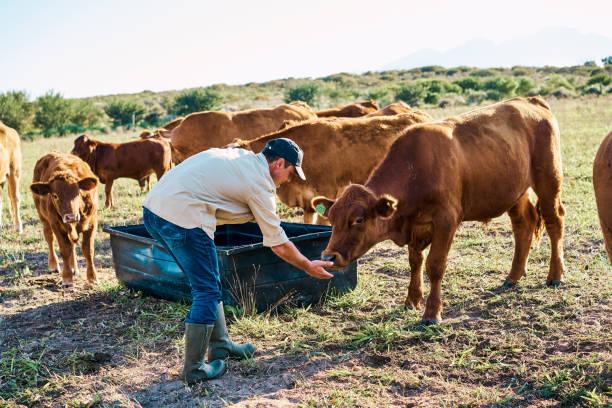
Short answer: On September 4, 2026, President Trump signed two executive orders aimed at cattle ranchers. They direct USDA to step up Packers and Stockyards Act enforcement and work with the Justice Department on meatpacker competition, support small and regional processors, review whether mandatory country-of-origin labeling (mCOOL) for beef can come back, and review the protections for gray and Mexican wolves. Most of these are reviews and directions to agencies, not new rules. Mandatory COOL would probably need Congress.
The orders came about a week after the administration raised the tariff-rate quota for imported lean beef trimmings by 300,000 metric tons, a move many producers opposed. Here's what the orders do, what deadlines they set, and what they could mean for your operation.
What do the cattle executive orders do?
According to Texas Farm Bureau and Drovers, the orders cover five areas:
| Area | What the order directs |
|---|---|
| Packer competition | More USDA enforcement staff, priority on Packers and Stockyards Act investigations, and coordination with the Justice Department on antitrust |
| Small processors | Guaranteed loans for small and regional beef plants, technical help, and simpler state inspection and Cooperative Interstate Shipment (CIS) programs |
| Country-of-origin labeling | USDA and the US Trade Representative to review legal authority for mandatory COOL on beef and run an economic analysis |
| Wolves | The Interior Department to decide whether gray and Mexican wolves meet the criteria to be delisted or downlisted under the Endangered Species Act, and to look at depredation compensation |
| Regulatory review | Agencies to review rules and guidance that affect ranchers and send recommendations |
The White House also described a program to help ranchers sell beef directly to consumers. The published coverage doesn't yet explain how that program will work.
What are the deadlines?
Counting from September 4, 2026:
- About November 3: USDA report on Packers and Stockyards enforcement actions, resource needs and plans (60 days).
- About December 3: Interior's wolf determination and the agencies' regulatory review recommendations (90 days).
- Country-of-origin labeling: No deadline was given.
As of early November, we haven't seen a public version of the 60-day enforcement report.
Will mandatory country-of-origin labeling come back?
Not quickly. Congress repealed mandatory COOL for beef and pork in 2015 after the World Trade Organization ruled against it. The order asks USDA to review its authority and suggest rules or legislation. Most observers expect a permanent mCOOL rule would need Congress to act.
This is different from the voluntary "Product of USA" label, which already changed on January 1, 2026. That label now means the animal was born, raised, slaughtered and processed in the US. See what the Product of USA rule means for ranchers.
How did cattle groups react?
The reactions were mixed:
- US Cattlemen's Association President Justin Tupper supported the labeling review, saying "U.S. consumers deserve to know where their beef comes from." He added that "the lasting impact will be decided by the agencies as they do their review and Congress."
- NCBA said: "It was disappointing to see the President celebrate the idea of beef prices declining."
- The Meat Institute opposes mandatory COOL and cites "$721 million in first-year implementation costs."
- AFBF President Zippy Duvall said: "Creating competition benefits both ranchers and consumers."
On wolves, Tupper warned that "past delisting efforts have been quickly halted by injunctions."
What do the orders mean for ranchers in practice?
In the short term, not much changes at the sale barn. Over the next year, watch for:
- More Packers and Stockyards cases. More enforcement could mean more scrutiny of how packers buy and price cattle.
- More local processing. Loans and simpler state inspection could add small-plant capacity. That makes selling direct, freezer beef and branded programs more practical.
- Labeling changes. If mCOOL comes back, you'd need records showing where each animal was born and raised.
- Predator rules in the West. Any change in wolf status would affect depredation claims and options for removing problem wolves.
Why do records matter more under these changes?
Almost every part of these orders rewards ranchers who can document where their cattle came from and how they were handled:
- Origin claims need birth and raising records.
- Selling direct works best when you can show customers source, health and feeding history.
- Depredation claims need dated records of losses.
- Small processors and branded programs often ask for age, source and treatment records.
See the ranch records lenders, buyers and vets actually want and our guide to EID tags and USDA traceability.
The takeaway
The September 2026 executive orders are mostly reviews and directions to agencies. The real changes will come through USDA rules, Interior decisions and possibly Congress. Whatever happens, ranchers with animal-level records of birth, movement and treatment will have the most options. CattleOS lets your crew capture those records by voice at the chute and builds the reports for you. See how electronic ID cattle tracking works.
Hashim Farooq is the CTO and co-founder of CattleOS. This article summarizes public reporting on the September 4, 2026 executive orders from Texas Farm Bureau and Drovers. It isn't legal advice.
Frequently asked questions
What did the September 2026 cattle executive orders do?
Signed September 4, 2026, they direct USDA to increase Packers and Stockyards Act enforcement and coordinate with the Justice Department, support small and regional beef processors, review authority for mandatory country-of-origin labeling, review wolf protections, and review rules affecting ranchers.
Is mandatory country-of-origin labeling coming back for beef?
Not yet. The order asks USDA and the US Trade Representative to review legal authority and economics. Congress repealed mandatory COOL for beef in 2015, so most observers expect a permanent rule would need legislation.
What are the deadlines in the cattle executive orders?
USDA's Packers and Stockyards enforcement report was due about 60 days after September 4, 2026, and the wolf determination and regulatory review recommendations about 90 days after, around December 3, 2026. No deadline was set for the labeling review.
How did cattle groups react to the executive orders?
USCA supported the labeling review, AFBF praised the focus on competition, NCBA criticized the emphasis on lower beef prices, and the Meat Institute opposed mandatory COOL, citing $721 million in first-year costs.
What should ranchers do now?
Little changes immediately, but more enforcement, local processing and possible labeling changes all reward ranchers who keep animal-level records of birth, movement, treatment and losses.
Co-founder and Chief Technology Officer, CattleOS
Hashim Farooq is the co-founder and CTO of CattleOS, an AI record-keeping platform for cattle producers. He grew up in rural Manitoba in 4-H, worked at Cargill, and has interviewed more than 200 producers about how cattle operations really keep records.
More about HashimRelated posts
November 8, 2026
New World Screwworm in Texas, New Mexico and Arizona: A Practical Guide for US Ranchers
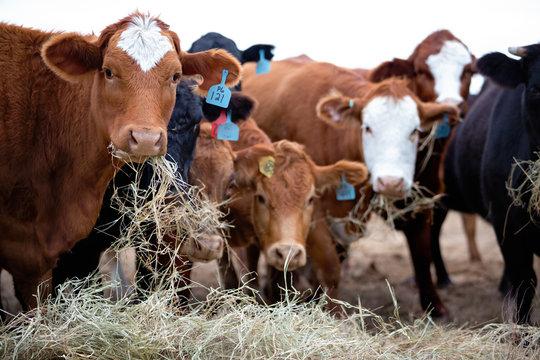
USDA has confirmed 116 screwworm infestations in the Southwest. Here are the signs to watch for, what to do if you suspect a case, how to lower risk, and why treatment records matter.
November 8, 2026
US Cattle Market Update, November 2026: Why Futures Fell and What Tight Supplies Still Mean
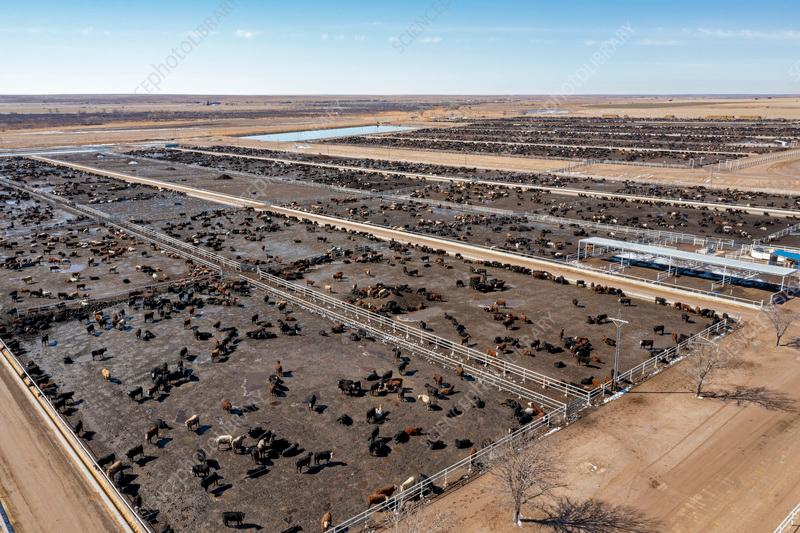
December live cattle fell about $12 and January feeders more than $20 in a week. Cash calves held up and placements hit record lows. Here is what is driving prices and how to plan.
November 8, 2026
Argentine Beef, CUSMA Reviews and Record Prices: What 2026 US Trade Moves Mean for Canadian Cattle
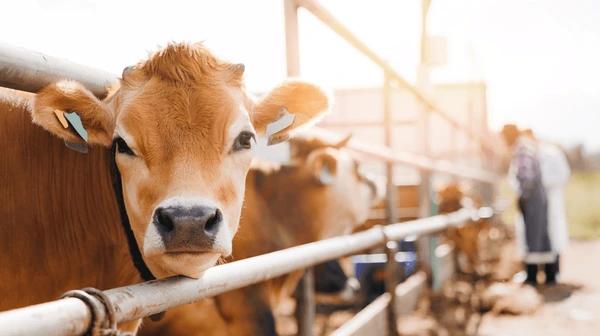
The US quadrupled Argentina's beef quota and moved CUSMA to annual reviews. Canadian cattle still cross tariff-free. Here is who is exposed, from cull cows to fed cattle, and what to do about it.