
The New Product of USA Beef Label Rule: What Ranchers and Direct Marketers Need to Know
Since January 1, 2026, Product of USA on beef means born, raised, slaughtered and processed in the US, backed by records. Here is what qualifies, what does not, and the records ranchers need.
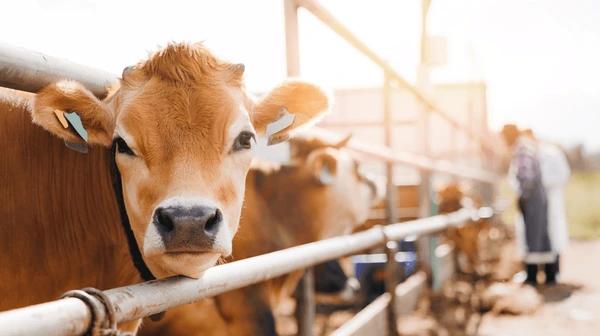
Short answer: Since January 1, 2026, USDA's Food Safety and Inspection Service (FSIS) only allows a voluntary "Product of USA" or "Made in the USA" claim on beef when the animal was born, raised, slaughtered and processed in the United States. The claim must be backed by records, and FSIS can ask for them. For ranchers who sell beef directly or through branded programs, birth and raising records now protect a label claim with real market value.
Ground beef averaged close to $7 a pound at retail in mid-2026, a record high according to BLS data (Beef Price Index). More consumers want to know where their beef comes from. Here's what the rule means for you.
What does "Product of USA" mean on beef now?
FSIS finalized the rule in March 2024, and companies had to comply by January 1, 2026. According to Hogan Lovells and Reed Smith:
- Single-ingredient beef can only carry "Product of USA" or "Made in the USA" if the animal was born, raised, slaughtered and processed in the US.
- "Raised" means from birth to slaughter.
- Multi-ingredient products like seasoned ground beef or sausage need all meat components to meet that standard, and all other ingredients except spices and flavourings must be domestic.
- A US flag image counts as a US-origin claim.
Before this rule, beef from imported animals or imported meat could be labeled "Product of USA" as long as it was processed in a US plant.
Is "Product of USA" mandatory?
No. The claim is voluntary. Packers and brands don't have to use it, but if they do, they have to meet the standard. That's different from mandatory country-of-origin labeling (mCOOL), which Congress repealed for beef in 2015. In September 2026, an executive order asked USDA to review whether mCOOL could come back. See what the 2026 cattle executive orders mean for ranchers.
What other origin claims are allowed?
| Claim | When it's allowed |
|---|---|
| Product of USA / Made in the USA | Born, raised, slaughtered and processed in the US |
| Qualified claims, like "Sliced and Packaged in the USA" | When the label names the specific steps done in the US |
| "Processed and Packaged in the USA" | Not allowed, because "processed" doesn't name a specific step |
| Product of North America | Born, raised, slaughtered and processed in North America |
| Multi-country claims, like "Product of USA and Canada" | Allowed with qualifying language |
What records do I need to back up the claim?
Here's the part that matters most to ranchers. Unqualified claims must be backed by documents that exist before an FSIS inspection. Under FSIS Directive 7221.1, reissued December 10, 2025, plants should be able to produce them within 24 hours of a request.
Records that work include:
- Written controls for each production step, from birth to processing
- Traceability records that link animals or lots to their origin
- A signed, dated statement describing where the animal was born, raised, slaughtered and processed
Reed Smith gives the example of ranch records showing an animal was born and raised on one Wyoming ranch, plus the slaughter and processing records.
So if you sell to a packer or brand that uses "Product of USA," they may ask you for birth and raising records. If you sell freezer beef or a ranch brand, those records are what let you put the claim on your label.
How can direct-to-consumer ranchers use this?
Selling beef direct grew quickly with record retail prices, and a September 2026 executive order promised more support for it. To use an origin claim:
- Record each calf's birth date and location at calving. See calving season record keeping.
- Track every move from pasture to backgrounding to finishing, with dates.
- Record the purchase source and date for any cattle you buy, so you can show where they were born.
- Keep the processing paperwork from your USDA-inspected plant with the animal IDs.
- Put a signed origin statement in each animal's or lot's file.
These same records answer most of the questions customers ask: where it was raised, what it was fed, and whether it was ever treated.
Do cattle bought from other operations qualify?
Only if you can document that they were born in the US. Feeder cattle imported from Mexico or Canada don't qualify for an unqualified "Product of USA" claim, even if you raised and finished them. They may qualify for "Product of North America" or a qualified multi-country claim. That's a good reason to record the source of every calf you buy.
The takeaway
The 2026 "Product of USA" rule finally means what most consumers thought it meant. For ranchers, the claim is only as good as the records behind it. CattleOS records births, moves, purchases and treatments by voice at the chute and keeps a complete history for each animal, so you can back up an origin claim whenever a buyer or inspector asks. See how replacing handwritten cattle records works.
Hashim Farooq is the CTO and co-founder of CattleOS. This article summarizes the FSIS "Product of USA" rule using public legal commentary from Hogan Lovells, Reed Smith and OFW Law. It isn't legal advice. Confirm label claims with FSIS or your processor.
Frequently asked questions
What does Product of USA mean on beef in 2026?
Since January 1, 2026, FSIS allows a voluntary Product of USA or Made in the USA claim on single-ingredient beef only if the animal was born, raised, slaughtered and processed in the United States.
Is the Product of USA label mandatory?
No. It is a voluntary claim, but anyone who uses it must meet the standard and keep supporting records. It is separate from mandatory country-of-origin labeling, which Congress repealed for beef in 2015.
What records support a Product of USA claim?
Written controls for each production step, traceability records linking animals or lots to their origin, or a signed and dated statement describing where the animal was born, raised, slaughtered and processed. FSIS may ask for them within 24 hours.
Can imported feeder cattle be labeled Product of USA?
No. Cattle born in Mexico or Canada do not qualify for an unqualified Product of USA claim even if raised and finished in the US. They may qualify for Product of North America or a qualified multi-country claim.
How can direct-to-consumer ranchers use the Product of USA claim?
Record each calf's birth date and location, track every move with dates, document the source of purchased cattle, keep processing paperwork tied to animal IDs, and keep a signed origin statement for each animal or lot.
Co-founder and Chief Technology Officer, CattleOS
Hashim Farooq is the co-founder and CTO of CattleOS, an AI record-keeping platform for cattle producers. He grew up in rural Manitoba in 4-H, worked at Cargill, and has interviewed more than 200 producers about how cattle operations really keep records.
More about HashimRelated posts
November 8, 2026
US Cattle Herd Rebuilding: Should You Keep Heifers Going Into 2027?
Beef cows are at a record-low 28.5 million and heifer retention is only starting. Here is what USDA data and economists say about rebuilding, and how to decide which heifers to keep.
November 8, 2026
Canada's Cattle Herd Is Growing Fastest Since 2004: How to Pick Heifers Worth Keeping
Statistics Canada shows replacement heifers up 5.7% and the herd up 3.2%. Here is what herd rebuilding means for prices and how to choose replacement heifers with records, not guesswork.
August 12, 2026
Where Did Those Cattle Go? Fixing Inventory Reconciliation for Good
Every operation has done the count that doesn't match the books. Here's why cattle inventory drifts, what phantom head actually cost, and the movement-record habit that makes counts match every time.