
US Cattle Herd Rebuilding: Should You Keep Heifers Going Into 2027?
Beef cows are at a record-low 28.5 million and heifer retention is only starting. Here is what USDA data and economists say about rebuilding, and how to decide which heifers to keep.
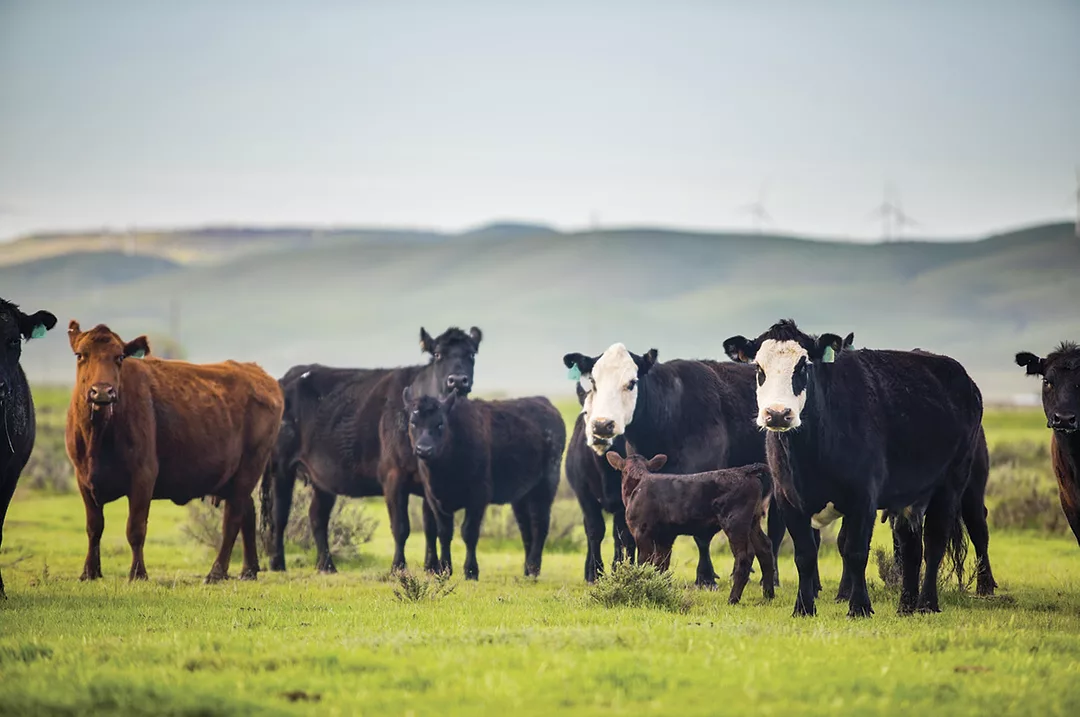
Short answer: The US herd is still near the bottom of the cycle. USDA counted 28.5 million beef cows on July 1, 2026, the smallest July count on record, and the 2026 calf crop is projected at a record-low 32.5 million head. Beef replacement heifers rose 3%, the first real sign of retention in nearly a decade, but economists say that isn't enough to grow the herd. Drought in the mid-South and aging cows mean herd growth in 2027 is likely to be limited.
If you run cows, you're probably weighing whether to keep heifers at today's prices or sell them. Here's what the data says and how to decide for your own operation.
How small is the US cattle herd?
These numbers come from USDA's July 2026 Cattle report, as summarized by the American Farm Bureau Federation:
| Category (July 1, 2026) | Number | Change |
|---|---|---|
| All cattle and calves | 94.2 million | up 200,000, the first July increase since 2018 |
| Beef cows | 28.5 million | down 1%, record low for July |
| Beef replacement heifers | 3.8 million | up 3% |
| Other heifers | 7.3 million | down 1% |
| 2026 calf crop (projected) | 32.5 million | down 2%, record low, ninth straight decline |
AFBF economist Bernt Nelson called the heifer increase the first meaningful sign of retention in nearly a decade.
Why isn't the herd growing faster?
Three reasons:
- Not enough heifers. Oklahoma State University economist Derrell Peel says the US needs at least 200,000 more beef replacement heifers in the next year just to keep the herd steady. The increases so far, about 41,700 head in January and 100,000 in July, aren't enough to grow it (WLJ).
- Cows are getting older. Beef cow culling fell from a record 13.19% in 2022 to a projected record low of 7.35% in 2026. Keeping old cows held the herd up for a few years, but many of them will need replacing soon.
- Drought. In late October, 96% of Arkansas beef cows were in drought areas, and the share of Mississippi beef cows in severe drought or worse jumped from 18% to 77% in four weeks (Drovers). Mississippi State economist Josh Maples warned that drought may lead to more culling and fewer heifers kept.
Are ranchers keeping more heifers?
Slowly. Heifer slaughter fell more than 11% in the first three quarters of 2026, about twice the drop in steer slaughter. Heifers made up 37.8% of fed slaughter over the past 12 months, down from 40.1% in late 2023. Peel notes that federal heifer slaughter numbers include dairy heifers, so they don't show beef retention alone.
What does it cost to keep a heifer?
A replacement heifer earns nothing until her first calf is weaned, usually about two years after you could have sold her. Your real cost includes:
- The sale price you give up, which is the biggest cost when feeder prices are near records.
- Feed and pasture from weaning to first calving. That cost goes up in drought.
- Breeding, including bulls or AI, preg checking and vaccines.
- The risk she comes up open or loses her first calf.
An open heifer at preg check loses most of that investment, so picking the right heifers matters more than ever.
Which heifers should I keep?
Pick replacements based on records you can check:
- Her mother's record. Keep daughters of cows that calve early, every year, without help.
- Her birth date. Heifers born early in the season are older and heavier at breeding, and more likely to cycle on time.
- Adjusted 205-day weaning weight compared with her group, so you aren't just keeping the oldest calves. See weaning weight tracking.
- Health history. Skip heifers treated more than once before weaning.
- Temperament and her mother's udder score.
- Early preg check results. Expose more heifers than you need and keep the ones that settled first.
When does keeping heifers make sense?
Keeping heifers usually pays when:
- You have the grass and hay to carry them, even in a dry year.
- Your cow herd is getting older and you'll need replacements soon anyway.
- Your records show which heifers are likely to breed early and stay in the herd.
- You can handle two years of lower cash flow.
Selling usually makes more sense when drought has you short on feed, when you don't have the records to sort heifers, or when you need the cash now.
How do I know if it's paying off?
Track two numbers each year:
- Pregnancy rate of exposed heifers. Use our pregnancy percentage calculator.
- Pounds weaned per cow exposed. It counts open cows and lost calves, so it's the most honest measure of a cow herd. Read Pounds Weaned Per Cow Exposed.
What does a slow rebuild mean for prices?
Feeder supplies should stay tight. AFBF's Nelson expects feeder supplies to stay "historically tight" through 2027. Peel says the outlook for herd growth into 2027 is limited. Short-term price swings will still happen. Futures fell sharply in early November (our market update). But the supply picture still favours cow-calf producers who can grow their numbers carefully.
The takeaway
The US herd is close to its low point, and rebuilding will be slow. Heifers you keep now can pay off for years, but only if you choose them based on real records. CattleOS links calving dates, weights, treatments and preg check results to each animal's tag, recorded by voice at the chute, so ranking replacements takes minutes. See how it works for cow-calf breeding records.
Hashim Farooq is the CTO and co-founder of CattleOS. He grew up in 4-H and builds record-keeping software for cow-calf and feedlot operations. Herd figures come from USDA reports as summarized by AFBF, WLJ and Drovers.
Frequently asked questions
How many beef cows are in the US in 2026?
USDA counted 28.5 million beef cows on July 1, 2026, down 1% and the smallest July inventory since records began in 1973.
Is the US cattle herd rebuilding?
Only slightly. Beef replacement heifers rose 3% to 3.8 million on July 1, 2026, the first meaningful sign of retention in nearly a decade, but economists say at least 200,000 more heifers are needed in the next year just to hold the herd steady.
Why is the beef herd not growing faster?
Heifer retention is still small, cow culling fell to a projected record low of 7.35% in 2026 so many cows are aging out soon, and fall drought in Arkansas, Mississippi and nearby states is pushing some producers to cull.
Which heifers should I keep as replacements?
Keep daughters of cows that calve early every year without help, early-born heifers, those with strong adjusted 205-day weaning weights for their group, clean health records, good temperament, and those that settle first at preg check.
Will cattle supplies stay tight in 2027?
Most analysts expect it. AFBF economist Bernt Nelson expects feeder supplies to stay historically tight through 2027, and Oklahoma State economist Derrell Peel says prospects for herd growth into 2027 remain limited.
Co-founder and Chief Technology Officer, CattleOS
Hashim Farooq is the co-founder and CTO of CattleOS, an AI record-keeping platform for cattle producers. He grew up in rural Manitoba in 4-H, worked at Cargill, and has interviewed more than 200 producers about how cattle operations really keep records.
More about HashimRelated posts
November 8, 2026
The New Product of USA Beef Label Rule: What Ranchers and Direct Marketers Need to Know
Since January 1, 2026, Product of USA on beef means born, raised, slaughtered and processed in the US, backed by records. Here is what qualifies, what does not, and the records ranchers need.
November 8, 2026
Canada's Cattle Herd Is Growing Fastest Since 2004: How to Pick Heifers Worth Keeping
Statistics Canada shows replacement heifers up 5.7% and the herd up 3.2%. Here is what herd rebuilding means for prices and how to choose replacement heifers with records, not guesswork.
August 12, 2026
Where Did Those Cattle Go? Fixing Inventory Reconciliation for Good
Every operation has done the count that doesn't match the books. Here's why cattle inventory drifts, what phantom head actually cost, and the movement-record habit that makes counts match every time.