
Canada's Cattle Herd Is Growing Fastest Since 2004: How to Pick Heifers Worth Keeping
Statistics Canada shows replacement heifers up 5.7% and the herd up 3.2%. Here is what herd rebuilding means for prices and how to choose replacement heifers with records, not guesswork.
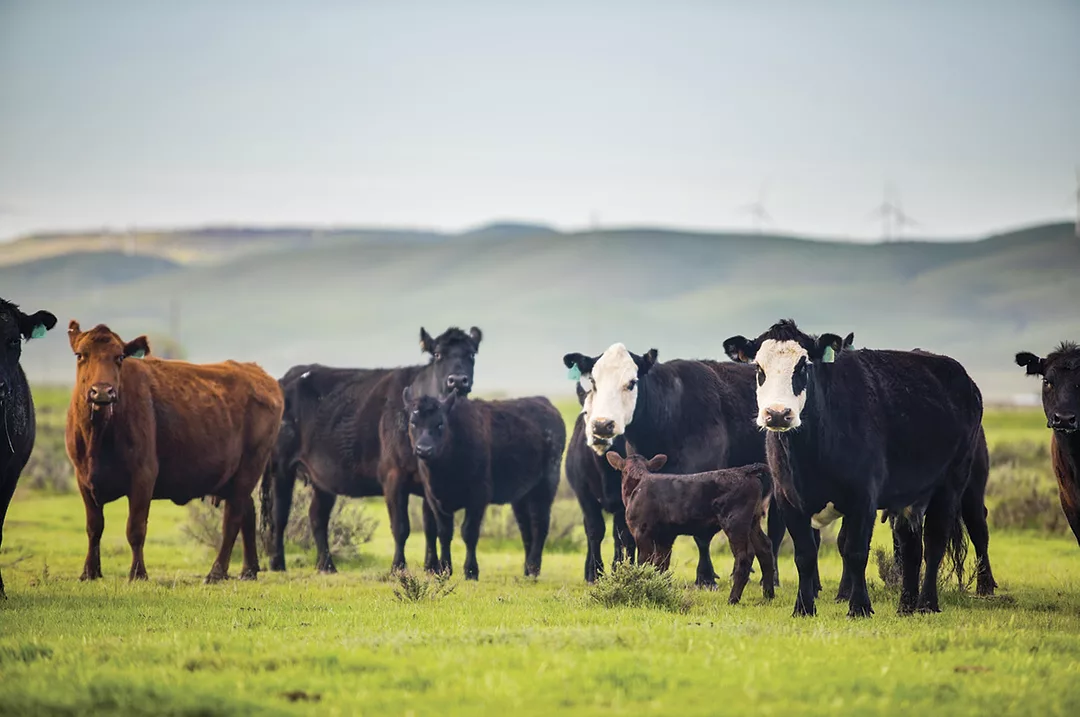
Short answer: Canada's cattle herd grew 3.2% in the year to July 1, 2026, the fastest growth since 2004, and replacement heifers were up 5.7% (Statistics Canada). Producers are keeping heifers because calf prices are high. A heifer only pays off if she calves early, breeds back and weans a heavy calf for years, so pick replacements based on records, not on how she looks at weaning.
Holding back heifers is one of the biggest bets a cow-calf operation makes. Each one you keep is a calf you don't sell at record prices, plus two years of feed before she weans her first calf. Here's what the herd numbers show and how to make that call with data.
How fast is the Canadian herd growing?
According to the Statistics Canada July 2026 livestock estimates, released August 27 (Alberta Beef Producers summary):
| Category (July 1, 2026) | Change from 2025 |
|---|---|
| Total cattle and calves | 12.1 million head, up 3.2% |
| Replacement beef heifers | up 5.7% |
| Beef cows | up 1.9% |
| Calves | 3.9 million, up 4.6% |
| Feeder heifers | up 3.8% |
| Feeder steers | up 3.4% |
Other numbers show the same thing. Slaughter in the first half of 2026 fell 4.6% to 1.5 million head, and live cattle exports fell 16.4% to 326,300 head. Producers are keeping more cattle at home.
Is the US herd rebuilding too?
Not as quickly. USDA's July 2026 report showed 28.5 million US beef cows, the smallest July count since records began in 1973. Beef replacement heifers were up 3% to 3.8 million (AFBF).
Oklahoma State University economist Derrell Peel estimates that the US needs at least 200,000 more replacement heifers in the next year just to keep the herd from shrinking. Beef cow culling fell to a projected record low of 7.35% in 2026, so many US cows are getting old and will need to be replaced soon (Western Livestock Journal). Drought is also hitting parts of the US South. In late October, 96% of Arkansas beef cows were in drought areas (Drovers).
What this means for Canada: US demand for feeder and fed cattle should stay strong into 2027, which supports prices for Canadian producers who are keeping heifers now.
What does it cost to keep a heifer?
A replacement heifer brings in no income until her first calf is weaned. That's usually about two years after you could have sold her. Your real cost includes:
- The price you gave up when you didn't sell her as a feeder calf. At today's prices, this is the biggest number.
- Feed and pasture from weaning to first calving.
- Breeding costs, like bull power or AI, plus pregnancy checking and vaccines.
- The risk she comes up open or loses her first calf.
If she's open at preg check, most of that money is gone. That's why picking the right heifers matters more when prices are high.
Which heifers should I keep?
Choose replacements on records you can check. Here are the most useful ones:
- Her mother's history. Pick heifers from cows that calve early in the season, every year, with no calving problems. A cow that calves in the first 21 days usually raises daughters that do the same.
- Birth date. Heifers born early in the season are older and heavier at breeding, and they're more likely to cycle early.
- Weaning weight compared to her group. Use adjusted 205-day weights so you aren't just keeping the oldest calves. Our weaning weight tracking page explains how.
- Health record. Skip heifers that were treated more than once for respiratory disease or other illness before weaning.
- Temperament and udder. Use a simple score at processing and on her mother's udder.
- Pregnancy check results. Expose more heifers than you need, preg check early, and keep the ones that settled first.
If these records are spread across calving books, sale barn slips and a spreadsheet, it takes hours to rank your heifers. With records tied to each animal's tag, it's a quick sort.
How do I know if retention is paying off?
Track two numbers over time:
- Pregnancy rate of exposed heifers. Our pregnancy percentage calculator gives you a clean number.
- Pounds weaned per cow exposed. This is the most honest measure of a cow herd, because open cows and dead calves count against you. Read more in Pounds Weaned Per Cow Exposed.
If your heifers keep weaning fewer pounds per cow exposed than your mature cows, after allowing for their age, your selection or development program needs work.
Should I keep heifers or sell them at record prices?
There's no single right answer. Keeping heifers makes the most sense when:
- You have the pasture and winter feed to carry more cattle.
- Your cows are getting older and you need replacements anyway.
- Your records show which heifers are likely to breed early and stay in the herd.
- Your lender is comfortable with a lower cash flow for two years. (See the ranch records lenders actually want to see.)
Selling usually makes more sense when feed is short, you have no good records to sort heifers with, or you need the cash now.
The takeaway
The Canadian herd is growing for the first time in years because calf prices make it pay. Every heifer you keep is a long-term investment, so choose based on records you can trust. CattleOS links calving dates, weights, treatments and preg check results to each animal's tag, recorded by voice right at the chute. Ranking your replacement heifers is then a short list instead of a weekend project. See how it works for cow-calf breeding records.
Hashim Farooq is the CTO and co-founder of CattleOS. He grew up on the Prairies in 4-H and builds record-keeping software for Western Canadian cow-calf and feedlot operations.
Frequently asked questions
How much did Canada's cattle herd grow in 2026?
Statistics Canada reported 12.1 million cattle and calves on July 1, 2026, up 3.2% year over year and the largest annual gain since 2004. Replacement beef heifers rose 5.7% and beef cows rose 1.9%.
Is the US cattle herd rebuilding?
Only slowly. USDA counted 28.5 million US beef cows on July 1, 2026, the smallest July inventory on record, while beef replacement heifers rose 3% to 3.8 million. Drought in parts of the US South is slowing retention.
What records should I use to select replacement heifers?
The most useful are the dam's calving date and calving ease history, the heifer's birth date, adjusted 205-day weaning weight, health and treatment history, temperament and udder scores, and early pregnancy check results.
What does it cost to keep a replacement heifer?
The main cost is the price you give up by not selling her as a feeder, plus about two years of feed, breeding and vet costs before her first calf is weaned. An open heifer at pregnancy check loses most of that investment.
How do I measure if heifer retention is paying off?
Track the pregnancy rate of exposed heifers and pounds weaned per cow exposed. These show whether your replacements are breeding and producing as well as your mature cows.
Co-founder and Chief Technology Officer, CattleOS
Hashim Farooq is the co-founder and CTO of CattleOS, an AI record-keeping platform for cattle producers. He grew up in rural Manitoba in 4-H, worked at Cargill, and has interviewed more than 200 producers about how cattle operations really keep records.
More about HashimRelated posts
November 8, 2026
The New Product of USA Beef Label Rule: What Ranchers and Direct Marketers Need to Know
Since January 1, 2026, Product of USA on beef means born, raised, slaughtered and processed in the US, backed by records. Here is what qualifies, what does not, and the records ranchers need.
November 8, 2026
US Cattle Herd Rebuilding: Should You Keep Heifers Going Into 2027?
Beef cows are at a record-low 28.5 million and heifer retention is only starting. Here is what USDA data and economists say about rebuilding, and how to decide which heifers to keep.
August 12, 2026
Where Did Those Cattle Go? Fixing Inventory Reconciliation for Good
Every operation has done the count that doesn't match the books. Here's why cattle inventory drifts, what phantom head actually cost, and the movement-record habit that makes counts match every time.