
Canadian Cattle Market Update, Fall 2026: Why Prices Softened and What to Do Before Winter
Alberta fed cattle are holding near $296/cwt, but feeders are volatile and packers have the leverage. Here is what Canfax data shows and how to decide when to sell.
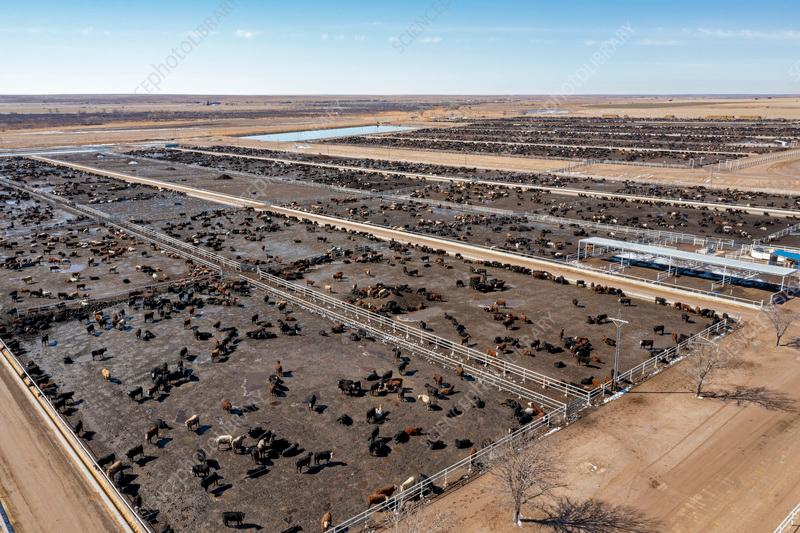
Short answer: Canadian fed cattle prices have held near $296/cwt live in Alberta through late October and early November 2026, but feeder prices have been jumpy and packers hold the leverage. Seasonal cow supply, heavy auction runs, Mexican feeders returning to the US and a shaky US stock market are all pushing prices around. Analysts expect fed prices to trade sideways through November, and they say the year's lows may still be ahead.
If you sell calves or feeders this winter, a few dollars per hundredweight is the difference between a good year and an ordinary one. Here is what the numbers say, what is driving them, and how to use your own records to decide when to sell.
Where are Canadian cattle prices right now?
Here are the most recent Canfax numbers for Alberta, from the weekly reports published by Alberta Beef Producers and The Western Producer:
| Class | Week ending Oct 23 | Week of Nov 2 |
|---|---|---|
| Fed steers (live) | $296.61/cwt | about $296.25/cwt |
| Fed heifers (live) | $294.54/cwt | steady to a little stronger |
| Dressed sales | $490 to $500/cwt delivered | $490.75 to $497.00/cwt FOB |
| Feeder steers and heifers | down $7 to $10/cwt | up $6 to $8/cwt |
| D2 cows | $213.21/cwt | $214.50/cwt |
| D3 cows | $186.91/cwt | $188.50/cwt |
Fed cattle have moved sideways for about five weeks. Feeders dropped one week and recovered the next. Light calves took the biggest hit in late October, when 300 to 400 lb steers fell $23 to $25/cwt in a single week. In the first week of November, 600 to 700 lb heifers jumped $20/cwt.
So prices are still high by historical standards, and Choice rib prices are near records. But week to week they are unstable.
Why did cattle prices soften this fall?
Five things are pushing prices down right now:
- Packers hold the leverage. Canfax wrote that "leverage continues to favour the packing sector." Western slaughter dipped below 40,000 head in late October, so packers didn't need to chase cattle.
- Big auction runs. In the week ending October 23, Alberta auction volumes hit 77,629 head, about 60% above last year's weekly average. Fall run supply is heavy.
- More non-fed cattle. Cull cows always pile up after pregnancy checking and weaning, and the extra supply weighs on cow and lean beef prices.
- Mexican feeders are back in the US. The US reopened the Columbus, New Mexico port to Mexican feeder cattle. Canfax listed this as bearish because it adds feeder supply south of the border.
- Volatile futures. On one Friday, US feeder futures closed more than $10/cwt lower as the stock market weakened. Canadian cash prices often follow a day or two later.
Some things are holding prices up. The Alberta basis usually strengthens in October and November, US packers are still interested in Canadian cattle, and the herd is still tight on both sides of the border.
Is the Canadian herd growing?
Yes, and that matters for the 2027 market. Statistics Canada counted 12.1 million cattle and calves on July 1, 2026. That's up 3.2% from a year earlier and the largest annual gain since 2004. Replacement heifers were up 5.7% and beef cows were up 1.9%.
Every heifer kept for breeding is one less heifer going to the feedlot. That keeps feeder supply tight in the short term. Once those heifers start calving, the calf crop grows, and that adds supply in 2028 and beyond.
The US is rebuilding more slowly. USDA counted 28.5 million beef cows on July 1, 2026, the smallest July count on record. The 2026 calf crop is projected at 32.5 million head, also a record low (American Farm Bureau Federation). A tight US herd keeps US buyers interested in Canadian cattle.
Should I sell calves now or background them?
That depends on your costs, not on the headlines. Ask yourself three questions before you load the trailer:
- What is my cost of gain to put on another 200 to 300 lb? Use real feed, yardage, vet and death loss numbers. If you don't know your cost of gain, start with our guide on what cost of gain is and how to calculate it.
- What is the price slide? Heavier cattle bring fewer dollars per hundredweight. Lighter calves fell hardest in late October, so the value of added gain has changed. Compare the dollar value of the extra weight to what it costs you to add it.
- What is my break-even on each group? A pen bought or weaned at different times has a different break-even. The CattleOS break-even calculator gives you a quick number per head.
If added gain is worth more than it costs, backgrounding through the winter makes sense even when prices are softer. If it isn't, selling into a strong fall run is often the safer move.
How do I protect myself from a price drop?
Most Western Canadian producers use some mix of these tools:
- Western Livestock Price Insurance Program (WLPIP). It sets a price floor for calves, feeders or fed cattle. Premiums change with market volatility, so check them before the policy closes for your class.
- Forward contracts. These lock in a price with a buyer or feedlot for a later delivery date.
- Selling in batches. Splitting your sales across several dates spreads your risk.
Each of these tools only works if you know your numbers. A price floor below your break-even still loses money.
What should I watch through winter?
- Weekly Canfax fed and feeder prices. Watch whether fed cattle break out of the $290s.
- Alberta basis. It usually narrows (strengthens) into late fall.
- US cutout values. Choice fell to its lowest since early August in late October.
- Mexican feeder imports into the US. More Mexican cattle in US yards means less US demand for Canadian feeders.
- New World screwworm. If the outbreak spreads in the southern US, border rules could change quickly. See our screwworm briefing for Canadian producers.
The takeaway
Prices are still historically strong, but packers have the upper hand right now and supply is heavy. The producers who do best this winter will be the ones who know their cost of gain and break-even for each pen or group before they sell. If those numbers are spread across notebooks and spreadsheets, that's the first thing to fix. CattleOS lets your crew record weights, feed and treatments by voice, and it tracks cost by pen for you as you go.
Hashim Farooq is the CTO and co-founder of CattleOS. He grew up in rural Manitoba in 4-H and worked at Cargill before building record-keeping tools for cattle producers. Market figures in this article come from Canfax reports for the weeks ending October 23 and November 2, 2026.
Frequently asked questions
What are Canadian fed cattle prices in November 2026?
Canfax reported Alberta fed steers averaging about $296.25/cwt live in the week of November 2, 2026, with dressed sales of $490.75 to $497.00/cwt. Fed prices have traded sideways for about five weeks.
Why are Canadian feeder cattle prices volatile this fall?
Heavy fall auction runs, rising cull cow supply, packer leverage, Mexican feeder cattle returning to the US through the Columbus, New Mexico port and weak US futures have all moved feeder prices up and down by $6 to $25/cwt in a single week.
Is the Canadian cattle herd growing in 2026?
Yes. Statistics Canada counted 12.1 million cattle and calves on July 1, 2026, up 3.2% from a year earlier, the largest annual gain since 2004. Replacement heifers were up 5.7%.
Should I sell calves in the fall or background them?
Compare your cost of gain for the added weight to the value of that weight after the price slide. If added gain is worth more than it costs, backgrounding can pay. If not, selling into the fall run is usually safer.
How can Canadian producers protect against falling cattle prices?
Common tools are the Western Livestock Price Insurance Program (WLPIP), forward contracts and splitting sales across several dates. Each works best when you know your break-even per head.
Co-founder and Chief Technology Officer, CattleOS
Hashim Farooq is the co-founder and CTO of CattleOS, an AI record-keeping platform for cattle producers. He grew up in rural Manitoba in 4-H, worked at Cargill, and has interviewed more than 200 producers about how cattle operations really keep records.
More about HashimRelated posts
November 8, 2026
The September 2026 Cattle Executive Orders: What Ranchers Need to Know
Two executive orders signed September 4, 2026 target packer competition, small processors, country-of-origin labeling and wolves. Here is what each one does, the deadlines, and what it means for your operation.
November 8, 2026
New World Screwworm in Texas, New Mexico and Arizona: A Practical Guide for US Ranchers
USDA has confirmed 116 screwworm infestations in the Southwest. Here are the signs to watch for, what to do if you suspect a case, how to lower risk, and why treatment records matter.
November 8, 2026
US Cattle Market Update, November 2026: Why Futures Fell and What Tight Supplies Still Mean
December live cattle fell about $12 and January feeders more than $20 in a week. Cash calves held up and placements hit record lows. Here is what is driving prices and how to plan.